



No data found for Custom Course Number
No data found for Custom Course Units
Intended Audience: mechanical engineers and other design and construction professionals
PDH UNITS: 3
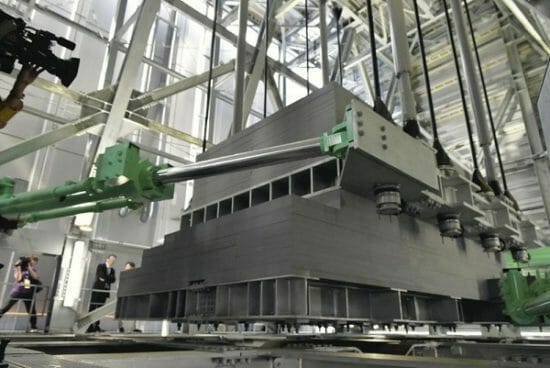
This course will introduce you to methods, materials and devices for control of vibrations in buildings. Structural vibration in buildings, which results in feelable vibration, produces structural or superficial damage of building components or interferes with equipment operation is unacceptable. In addition large building components that vibrate can produce unacceptable sound levels. Course Outline 1. VIBRATION CRITERIA 2. VIBRATION ISOLATION ELEMENTS 3. VIBRATION CONTROL 4. TABLES OF RECOMMENDED VIBRATION ISOLATION DETAILS 5. VIBRATION ISOLATION – MISCELLANEOUS This course will give you professional tools that will allow you to move forward in learning how to design for mitigation of objectionable vibrations in buildings.
Learning Objectives
At the successful conclusion of this course, you’ll be able to identify and discuss:- Learn about the materials and devices used for vibration control;
- Learn about the physical parameters for vibrations that are feelable by humans whose perceptions ranges from imperceptible to very disagreeable;
- Learn about vibrations which pose a structural risk to buildings;
- Learn about the five types of mounting assemblies for machines that produce objectionable vibrations;
- Learn about steel spring vibration isolators;
- Learn about the different types of pad-type isolators;
- Learn how and when inertia blocks are employed;
- Learn how to specify isolation measures for axial-flow and centrifugal fans installed in buildings; and
- Learn about vibration isolation measures for boilers.
ACCEPTANCE GUARANTEE
Ncite Engineering Hub engineering courses & live webinars meet NCEES Guidelines for Professional Engineer licenses renewal in all 50 states.

Live Webinars satisfy strict “Live Contact Hour” state mandates.
100% money-back State Board Acceptance Guarantee
Ncite Engineering Hub will refund your payment if the PDH credits you earn are rejected by your state board for any reason.
Ethics Courses

E – 1141 Engineering Ethics-NSPE Code of Ethics for Engineersby Mark P. Rossow, PhD, P.E.

E – 1725 Ethical Behavior;The 2005 Taum Sauk Dam Breachby Mark P. Rossow, PhD, P.E.

E – 2040 Engineering Ethics: “Hold Safety Paramount” to Prevent Loss of Life – the Case of the Ford Pinto Firesby Dr. Abolhassan Astaneh-Asl, Professor Emeritus. Ph.D., PE

E – 1712 Expert Witness; What every Engineer needs to know !by Dr. David Williams. PhD, PE, PH, CFM, F.ASCE, CPESC, D.WRE
Once completed, your order and certificate of completion will be available in your profile when you’re logged in to the site.