




No data found for Custom Course Number
No data found for Custom Course Units
Intended Audience: Structure, Electrical, Mechanical, Security, and Facilities Engineers
PDH UNITS: 1
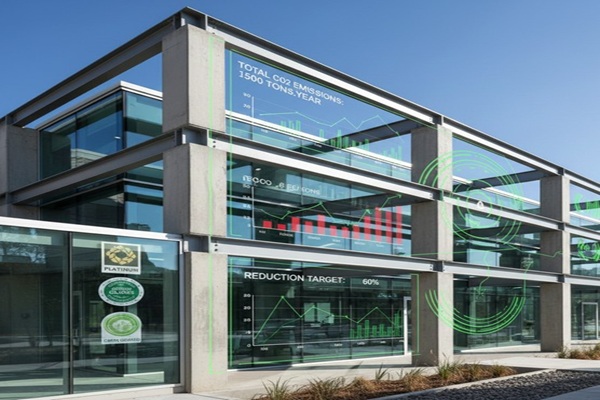
The building and construction sector is responsible for approximately 39 percent of global carbon dioxide emissions, with embodied carbon from construction materials and processes representing an increasingly significant proportion of a building's total lifecycle carbon footprint. As operational energy efficiency improves through better building codes and renewable energy adoption, embodied carbon is becoming the dominant contributor to building-related emissions. This comprehensive course introduces building professionals to the fundamental principles, calculation methodologies, and practical strategies for quantifying and reducing embodied carbon in building projects.
By completing this course, you will gain practical insights into Life Cycle Assessment (LCA) frameworks, Environmental Product Declarations (EPDs), and whole building embodied carbon calculation methodologies. Research by the Carbon Leadership Forum indicates that embodied carbon typically represents 20 to 50 percent of a building's total lifecycle emissions, increasing to 70 percent or more for high-performance net-zero energy buildings. The Intergovernmental Panel on Climate Change has emphasized that significant emissions reductions must occur within the next decade to limit global warming to 1.5 degrees Celsius, making embodied carbon reduction an urgent priority for the building industry
This course bridges environmental science concepts with practical building applications, examining material-level carbon accounting, building system carbon contributions, calculation software tools, reduction strategies, and regulatory frameworks. You will learn how structural system selection can vary embodied carbon by 30 to 50 percent for equivalent buildings, how supplementary cementitious materials can reduce concrete embodied carbon by 30 to 40 percent, and how specification strategies can drive material suppliers toward lower-carbon production. Whether you are an architect, engineer, contractor, or sustainability professional, this course will equip you with the knowledge needed to quantify embodied carbon and implement reduction strategies in building projects.
Target Audience
This course is designed for:- Architects and architectural designers
- Structural engineers and civil engineers
- Mechanical, electrical, and plumbing engineers
- Construction managers and general contractors
- Sustainability consultants and LEED professionals
- Building owners and real estate developers
- Government officials and policy makers
Course Benefits
- Gain foundational knowledge in embodied carbon calculation methodologies
- Learn practical strategies for reducing building embodied carbon
- Understand EPD interpretation and application for material selection
- Prepare for emerging regulatory requirements and green building certifications
- Enhance professional credentials with specialized sustainability knowledge
- Flexible learning format accommodates busy professional schedules
Learning Objectives:
At the successful conclusion of this course, you will learn the following knowledge and skills:- Define embodied carbon and explain its significance relative to operational carbon in building lifecycle emissions, including the climate urgency factors that prioritize embodied carbon reduction.
- Describe the Life Cycle Assessment (LCA) framework including ISO 14040/14044 standards and EN 15978 lifecycle stage modules (A1-A3, A4-A5, B1-B7, C1-C4, and Module D) used for building embodied carbon calculation.
- Explain Global Warming Potential (GWP) as the primary metric for embodied carbon calculation, including CO2 equivalent conversions and typical building benchmark values in kgCO2e per square meter.
- Identify the embodied carbon characteristics of major structural materials including concrete, steel, and mass timber, and describe strategies for reducing embodied carbon through material specification.
- Describe how supplementary cementitious materials (SCMs) including fly ash, slag, and calcined clay reduce concrete embodied carbon, and explain the difference between primary and secondary steel production routes.
- Explain the structure, content, and application of Environmental Product Declarations (EPDs) for embodied carbon calculation, including declared units, system boundaries, and data quality considerations.
- Demonstrate understanding of whole building embodied carbon calculation methodology, including material quantity extraction, GWP factor application, and system-level organization of results.
- Identify available software tools for embodied carbon calculation including Tally, One Click LCA, and EC3, and describe their integration capabilities with Building Information Modeling platforms.
- Explain embodied carbon benchmarking and target setting approaches including the SE 2050 Commitment Program targets and Carbon Leadership Forum benchmark data for various building types.
- Describe current regulatory requirements and green building certification approaches for embodied carbon including Buy Clean policies, LEED v4.1 credits, and emerging building code requirements.
ACCEPTANCE GUARANTEE
Ncite Engineering Hub engineering courses & live webinars meet NCEES Guidelines for Professional Engineer licenses renewal in all 50 states.

Live Webinars satisfy strict “Live Contact Hour” state mandates.
100% money-back State Board Acceptance Guarantee
Ncite Engineering Hub will refund your payment if the PDH credits you earn are rejected by your state board for any reason.
Ethics Courses

E – 1209 – Ethical Issues – Kansas City Hyatt Hotel Collapseby Mr. J. Paul Guyer, P.E., R.A.

E – 1910 Engineering Ethics: I-35W Bridge Collapse; Engineering Errors and Ethical Issuesby Dr. Abolhassan Astaneh-Asl, Professor Emeritus. Ph.D., PE

E – 2043 Florida Laws and Rules for Professional Engineers Biennium Cycle 2023-2025by Mark P. Rossow, PhD, P.E.

E – 1208 – Ethical Issues from the Panama Canal Failureby Mr. J. Paul Guyer, P.E., R.A.
Once completed, your order and certificate of completion will be available in your profile when you’re logged in to the site.