No data found for Custom Course Number
No data found for Custom Course Units
Intended Audience: electrical, mechanical, and civil engineers concerned with the design and maintenance of the electric grid.
PDH UNITS: 6
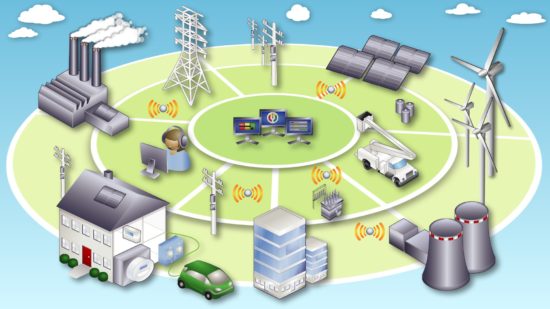
The U.S. electric power infrastructure—the grid—will face large challenges in the next 20-30 years as population and associated energy demand increase, environmental regulations become more strict, and the possibility of terrorist attacks must be considered. Fortunately, we have a way forward. Federal and state policymakers, business leaders, and other stakeholders are coming to agree that a “Smart Grid” is not only needed but achievable. The Department of Energy lists five fundamental technologies that will make up the Smart Grid: 1) Integrated communications; 2) Sensing and measurement technologies; 3) Advanced components (for example, superconductivity, storage, power electronics and diagnostics); 4) Advanced control methods; and 5) Improved interfaces and decision support. The present course describes these technologies in sufficient detail to show their potential for saving energy, lowering costs to the consumer, increasing security, and reducing emissions of pollutants and greenhouse gases. This course includes a true/false and multiple-choice quiz at the end, which is designed to highlight the general concepts of the course material.
Learning Objectives
At the successful conclusion of this course, you’ll be able to identify and discuss:- Learning how communication systems may be used to detect overloads and reroute power to prevent or minimize potential outages
- Learning how energy from virtually any fuel source including solar and wind can be accepted as easily as coal and natural gas;
- Learning how real-time communication between the consumer and utility can be used so consumers can tailor their energy consumption based on individual preferences;
- Understanding how the power quality necessary to power a digital economy may be maintained;
- Learning how resistance to attack and natural disasters may be increased;
- Learning how the advance of global climate warming may be slowed; and
- Being aware of current DOE demonstration Smart Grid projects.
ACCEPTANCE GUARANTEE

Ncite Engineering Hub engineering courses & live webinars meet NCEES Guidelines for Professional Engineer licenses renewal in all 50 states.
Live Webinars satisfy strict “Live Contact Hour” state mandates.
100% money-back State Board Acceptance Guarantee
Ncite Engineering Hub will refund your payment if the PDH credits you earn are rejected by your state board for any reason.
Ethics Courses

E – 3024 Indiana Statutes and Rules for Professional Engineers 2024-2026 Bienniumby Mark P. Rossow, PhD, P.E.

E – 1814 World Trade Center- Engineering Ethical Issues in the Design, Construction, and the Investigation of Its Collapseby Dr. Abolhassan Astaneh-Asl, Professor Emeritus. Ph.D., PE

E – 2017 Engineering Ethics: The Hyatt Regency Skyways Collapse; Engineering Errors and Ethical Issuesby Dr. Abolhassan Astaneh-Asl, Professor Emeritus. Ph.D., PE

E – 1322 – Indiana Statutes and Rules Applicable to the Practice of Professional Engineeringby Mark P. Rossow, PhD, P.E.
Once completed, your order and certificate of completion will be available in your profile when you’re logged in to the site.