



• No products in the cart.

Profile Photo

No data found for Custom Course Number

No data found for Custom Course Units

$50.00
$50.00

Intended Audience: Construction, Electrical, Mechanical, Energy,, and Environmental, Engineers.

PDH UNITS: 2

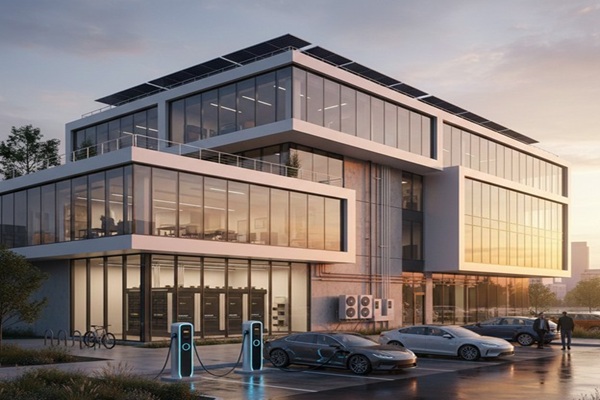
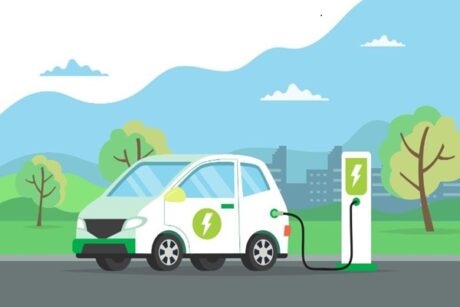
Building electrification represents the most viable pathway to achieving deep decarbonization in the built environment. This comprehensive 2 credit hour course equips engineering professionals with strategic knowledge and practical skills to transition buildings from fossil fuel dependence to clean electricity systems. Participants will learn to assess existing building systems, develop electrification strategies, evaluate technology options, and address implementation challenges including infrastructure requirements, grid integration, and economic considerations.

Course Benefits

  • Gain expertise in building electrification strategies and technologies
  • Learn economic evaluation methods and implementation approaches
  • Understand electrical infrastructure requirements and grid integration
  • Apply knowledge to achieve deep building carbon reductions
  • Enhance professional credentials with cutting-edge knowledge
  • Flexible learning format accommodates busy professional schedules

Target Audience

This course is designed for:
  • Mechanical and electrical engineers
  • Building systems engineers and consultants
  • Energy efficiency professionals
  • Sustainability consultants and architects
  • Facility managers and building operators
  • Policy makers and utility professionals

Learning Objectives:

At the successful conclusion of this course, you will learn the following knowledge and skills:
  • Explain building decarbonization fundamentals including carbon emissions sources, grid decarbonization trends, and electrification technology overview
  • Describe heat pump systems for space conditioning including air-source, ground-source, and cold climate applications with performance characteristics
  • Analyze electric water heating systems including resistance and heat pump technologies for residential and commercial applications
  • Evaluate electric cooking and appliance electrification including induction cooking technology and commercial kitchen applications
  • Design electrical infrastructure upgrades including service capacity, load management, and energy storage integration
  • Apply economic analysis frameworks including life-cycle cost analysis, financing options, and implementation strategies

Course No E - 3141
PDH Units: 2
Copyright 2025 · All Rights Reserved. Ncite Engineering Hub, LLC 513 E- Main Street # 981 Charlottesville, VA 22902 USA