



No data found for Custom Course Number
No data found for Custom Course Units
Intended Audience:: Electrical & Power Engineers
Credits: 1 PDH Unit
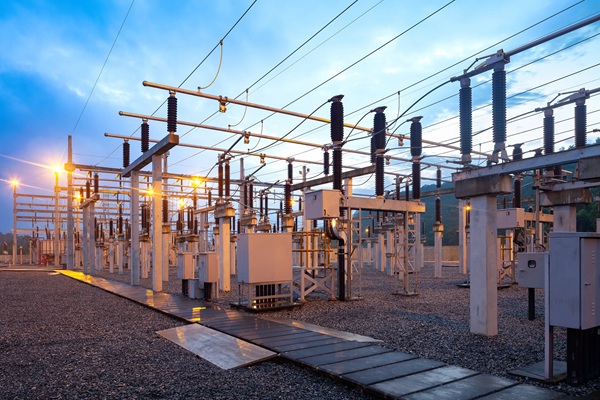
As more distributed sources of electric power, such as solar, wind and batteries, are introduced to the grid, significant changes will need to be incorporated to the grid to efficiently adapt to these sources. However, in some cases, since distributed sources often produce the energy close to the point of use, it is possible to reduce the load on the distribution system and substations, thus eliminating costly upgrades. In other cases, with large wind farms and solar farms, the distribution and transmission systems may require major upgrades. This 1-credit course takes a look at the effects of various options and leads to an interesting projection of the appearance of the future grid compared to the historic grid.
Course Outline
1. A brief description of the traditional electric grid, including AC and DC transmission. 2. Effects of adding large-scale renewables and corresponding effects on and necessary changes to the grid. 3. Effects of adding small-scale, distributed resources and corresponding effects and necessary changes to the grid. 4. Using energy storage, load management and energy efficiency improvements to increase the reliability and stability of the grid. 5. Changes needed to adapt to a distributed mix of generation and storage.Learning Objectives
At the successful conclusion of this course, you’ll be able to identify and discuss:- Understand the structure and rationale of the historic grid.
- Understand the effect on the grid of adding large renewable energy sources.
- Understand the effect on the grid of adding small-scale neighborhood sources.
- Understand the role of the substation in maintaining stability of the future grid system.
- Understand the role of the engineer in the development of the future grid system.
- Understand how to incorporate new loads to the system without degrading system reliability.
Author
Roger Messenger, PhD, PE, is Professor Emeritus of Electrical Engineering at Florida Atlantic University. He has been involved in research in energy efficiency and renewable energy since the OPEC oil embargo more than 50 years ago. He was a member of the team that wrote the first Florida Code for Energy Efficiency in Building Construction and conducted seminars for contractors and building officials on this material statewide. His recent interests have focused on engineering solutions to climate change. In addition, he has done final review for over 8,000 residential PV systems since 2020. He is the principal author of Photovoltaic Systems Engineering, an engineering textbook, now in its 5th edition. He specializes in presenting material in an understandable manner, which has earned him a number of teaching awards, including Florida Atlantic University Distinguished Teacher of the Year.
ACCEPTANCE GUARANTEE
Ncite Engineering Hub engineering courses & live webinars meet NCEES Guidelines for Professional Engineer licenses renewal in all 50 states.
Live Webinars satisfy strict “Live Contact Hour” state mandates.
100% money-back State Board Acceptance Guarantee
Ncite Engineering Hub will refund your payment if the PDH credits you earn are rejected by your state board for any reason.

Ethics Courses

E – 1446 Texas Engineering Practice Act and Rules Ch. 139by Mark P. Rossow, PhD, P.E.

E – 3024 Indiana Statutes and Rules for Professional Engineers 2024-2026 Bienniumby Mark P. Rossow, PhD, P.E.

E – 3019 Engineering Ethics: Ship and Bridge Collision; Ethics Violation Caused Six Deathsby Dr. Abolhassan Astaneh-Asl, Professor Emeritus. Ph.D., PE

Webinar: A Closer Insight into Workplace Ethics & Professional Conductby Dr. David Williams. PhD, PE, PH, CFM, F.ASCE, CPESC, D.WRE
Once completed, your order and certificate of completion will be available in your profile when you’re logged in to the site.
Course No E - 3152
PDH Units: 1