


No data found for Custom Course Number
No data found for Custom Course Units
Intended Audience: Electrical and general engineers
PDH UNITS: 6
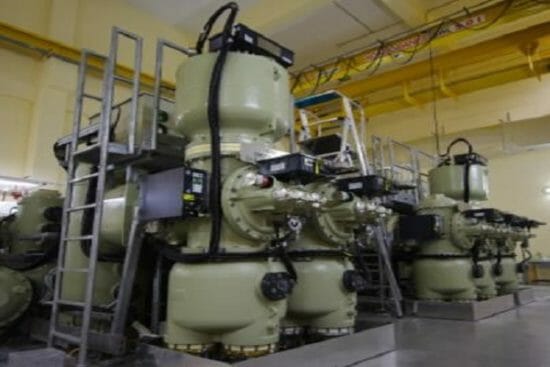
When determining between AIS or GIS technology, some elements alone, for example aesthetics, may be an overcoming impact on a user’s conclusion. Nevertheless, most of the time the best conclusion asks for assessing many elements and soliciting input data from many sections within an investor’s organization. It is also critical to note that the optimal substation arrangement may not be solely AIS or GIS. Sometimes a mix of the two (i.e., hybrid or mixed-technology) might be the best arrangement. Typically, most of the factors will prefer GIS technology, but it is the value or importance given to the considerations that decides if the return on investment is justifiable to choose GIS over AIS technology. Consideration that can be measured should be assigned importance weights based on the user’s needs. This course is suitable for engineers with a desire to understand the fundamentals of Gas Insulated Substation (GIS) technology. Presented details cover issues related to fundamental terms, rated voltages and insulation levels, GIS availability and reliability, operating principles, substation arrangements and design, power system and financial considerations. Specific Knowledge or Skill Obtained & Learning Objectives This course teaches the following specific knowledge and skills:
- Fundamental GIS terminology
- Rated voltages and insulation levels
- GIS availability and reliability
- Operating principles
- Substation arrangements and design
- Power system considerations
- Financial considerations
ACCEPTANCE GUARANTEE
Ncite Engineering Hub engineering courses & live webinars meet NCEES Guidelines for Professional Engineer licenses renewal in all 50 states.

Live Webinars satisfy strict “Live Contact Hour” state mandates.
100% money-back State Board Acceptance Guarantee
Ncite Engineering Hub will refund your payment if the PDH credits you earn are rejected by your state board for any reason.

Ethics Courses

E – 1814 World Trade Center- Engineering Ethical Issues in the Design, Construction, and the Investigation of Its Collapseby Dr. Abolhassan Astaneh-Asl, Professor Emeritus. Ph.D., PE

E – 1424 – Pennsylvania Laws and Board Rules for Professional Engineersby Mr. D. Allen Hughes, PE

E – 3123 Engineering Ethics Fundamentalsby Dr. M. A. Karim, P.E., BCEE, F.ASCE

E – 2057 Modern Sensors – Detecting Physical Conditionsby Mr. Don Parnell, PE
Once completed, your order and certificate of completion will be available in your profile when you’re logged in to the site.