






No data found for Custom Course Number
No data found for Custom Course Units
Intended Audience: Electrical, Mechanical, Security, and Facilities Engineers
PDH UNITS: 1
Modern buildings have evolved into complex cyber-physical environments where operational technology (OT) and information technology (IT) converge through building automation systems, IoT devices, and cloud-based management platforms. The global smart building market reached approximately 80 billion dollars in 2023 and is projected to exceed 150 billion dollars by 2028. However, with this technological transformation comes substantial cybersecurity risk: nearly 40 percent of smart building systems experienced at least one cyberattack attempt in 2023, with the average cost of a building system cyber incident exceeding 2.4 million dollars.
This comprehensive course introduces building professionals to the essential principles of cybersecurity for smart buildings and building automation systems. Participants will learn how to identify and assess cybersecurity threats targeting building systems, understand attack vectors specific to building automation and IoT environments, implement appropriate security controls and network architectures, and develop incident response procedures appropriate for building operations. The course covers relevant standards and frameworks including the NIST Cybersecurity Framework and IEC 62443 industrial automation security standards.
By completing this course, participants will gain the knowledge needed to protect building systems from emerging cyber threats while maintaining the operational availability that building occupants and owners require. Whether you are a facilities manager, building engineer, systems integrator, or design professional, this course will equip you with the foundational cybersecurity knowledge essential for modern building practice.
Course Benefits
- Understand the cybersecurity landscape specific to smart buildings
- Learn industry-standard frameworks and security controls
- Gain practical knowledge of network security architecture
- Prepare for emerging regulatory and insurance requirements
- Enhance professional credentials with specialized knowledge
- Flexible learning format accommodates busy professional schedules
- AI/ML security tools, regulatory trends
Target Audience
This course is designed for:- Facilities managers and building engineers
- Building automation and controls professionals
- Mechanical and electrical engineers
- Systems integrators and technology consultants
- Security professionals expanding into OT environments
- Design professionals and architects
Learning Objectives:
At the successful conclusion of this course, you will learn the following knowledge and skills:- Explain the convergence of operational technology and information technology in smart buildings, and describe how this convergence creates cybersecurity vulnerabilities in building automation systems, IoT devices, and physical access control systems.
- Identify the primary attack vectors for smart building systems including building automation networks, IoT device vulnerabilities, supply chain risks, and social engineering threats targeting facilities personnel.
- Apply the CIA triad (Confidentiality, Integrity, Availability) to building system contexts, recognizing how availability requirements often take precedence in operational technology environments.
- Describe the Purdue Enterprise Reference Architecture and explain how to implement network segmentation and defense-in-depth strategies appropriate for building automation environments.
- Explain common threats to building systems including ransomware, malware, supply chain attacks, insider threats, and advanced persistent threats, and describe real-world examples of building system compromises.
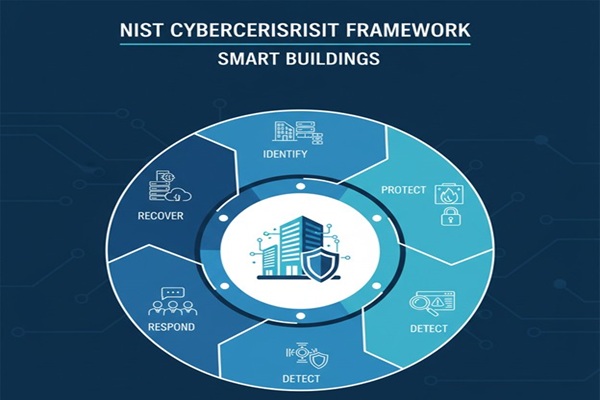
- Apply the NIST Cybersecurity Framework to building environments, implementing appropriate controls across the Identify, Protect, Detect, Respond, and Recover functions.
- Describe the IEC 62443 industrial automation security standard and its application to building systems, including security level definitions and lifecycle considerations.
- Implement practical security controls including network architecture design, access control and identity management, monitoring and detection systems, and incident response procedures specific to building environments.
- Explain zero trust architecture principles and their application to building systems, including the challenges of implementing zero trust in environments with legacy building automation devices.
- Evaluate emerging trends in building cybersecurity including AI-powered security tools, regulatory developments such as the EU NIS2 directive, and evolving insurance requirements for smart building security.
ACCEPTANCE GUARANTEE
Ncite Engineering Hub engineering courses & live webinars meet NCEES Guidelines for Professional Engineer licenses renewal in all 50 states.

Live Webinars satisfy strict “Live Contact Hour” state mandates.
100% money-back State Board Acceptance Guarantee
Ncite Engineering Hub will refund your payment if the PDH credits you earn are rejected by your state board for any reason.

Ethics Courses

E – 1193 – Ethical Issues in Design Buildby Mr. J. Paul Guyer, P.E., R.A.

E – 1424 – Pennsylvania Laws and Board Rules for Professional Engineersby Mr. D. Allen Hughes, PE

E – 2017 Engineering Ethics: The Hyatt Regency Skyways Collapse; Engineering Errors and Ethical Issuesby Dr. Abolhassan Astaneh-Asl, Professor Emeritus. Ph.D., PE

[Live Webinar] 7 Steps to Remedy Ethical Issues in Design-Buildby Mr. J. Paul Guyer, P.E., R.A.
Once completed, your order and certificate of completion will be available in your profile when you’re logged in to the site.