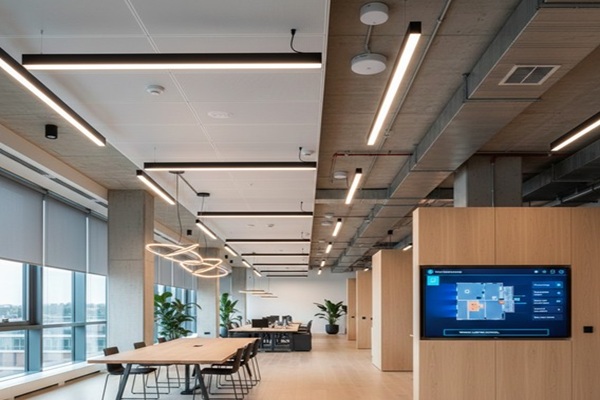
The evolution of lighting technology represents one of the most dramatic transformations in building systems over the past two decades. Smart lighting systems integrate sensors, controls, communication protocols, and advanced algorithms to deliver lighting that automatically adapts to occupancy patterns, daylight availability, user preferences, and energy optimization objectives. This comprehensive course introduces building professionals to the technical foundations, practical applications, and implementation strategies for smart lighting systems that are transforming how buildings operate and perform.
By completing this course, you will gain practical insights into how smart lighting technologies enable substantial performance improvements across multiple dimensions. Research from the U.S. Department of Energy indicates that properly implemented smart lighting systems can reduce lighting energy consumption by 30 to 60 percent compared to conventional systems, while studies by the American Society of Interior Designers demonstrate that improved lighting quality and personal control can boost office worker productivity by 2 to 5 percent. These improvements stem from intelligent control strategies that deliver light only where, when, and at the intensity actually needed, while simultaneously enhancing occupant comfort and generating valuable operational data.
This course examines the complete smart lighting ecosystem, from LED luminaires with integrated sensors and wireless communication to sophisticated control algorithms and building system integration. You'll explore communication protocols including DALI, Bluetooth Mesh, Zigbee, Thread, and Power over Ethernet, understanding their characteristics, advantages, and appropriate applications. The course covers essential control strategies—occupancy-based operation, daylight harvesting, task tuning, and personal control—that balance energy efficiency with occupant satisfaction.
Advanced topics include color-tunable LED technology and circadian lighting systems that support occupant wellness and biological rhythms, integration with building automation systems and IoT platforms for coordinated building operations, data analytics and space utilization insights that inform facility management decisions, and emerging technologies including artificial intelligence, Li-Fi visible light communication, and advanced LED developments. Whether you are an electrical engineer, facilities manager, architect, or sustainability professional, this course will equip you with the knowledge needed to evaluate, design, and implement smart lighting systems that deliver measurable value.
Learning Objectives:
At the successful conclusion of this course, you will learn the following knowledge and skills:
- Describe the evolution of lighting control technology from manual switching through programmable systems to current smart lighting architectures, and explain how LED technology fundamentally enabled intelligent networked lighting capabilities.
- Identify the core components of smart lighting systems including LED luminaires with integrated controls, sensor technologies (occupancy, daylight, environmental), network infrastructure, control processors, and software platforms.
- Compare communication protocols for smart lighting including DALI/DALI-2, Bluetooth Mesh, Zigbee, Thread, and Power over Ethernet, evaluating their technical characteristics, installation requirements, scalability, and suitability for different applications.
- Design occupancy-based control strategies including sensor selection and placement, timeout settings, code compliance requirements, and approaches for balancing energy savings with occupant comfort.
- Implement daylight harvesting systems including photosensor types (open-loop and closed-loop), calibration procedures, integration with architectural daylighting design, and commissioning requirements for optimal performance.
- Apply task tuning and personal control strategies that reduce ambient lighting levels while maintaining task illumination, including multi-level control implementation and techniques for preserving energy performance while enabling occupant adjustment.
- Explain the scientific foundations of circadian lighting including melanopsin photoreceptor response, circadian stimulus calculation, and the biological impacts of light spectrum and timing on sleep quality, alertness, and cognitive performance.
- Specify color-tunable LED technologies including tunable white and full-spectrum systems, evaluate their control integration requirements, and design circadian lighting programs with appropriate temporal patterns aligned with occupant schedules.
- Design integration architectures connecting smart lighting with building automation systems through standard protocols (BACnet), IoT platforms, and cloud connectivity, including edge computing strategies, cybersecurity considerations, and data analytics applications.
- Develop comprehensive implementation strategies for smart lighting projects including requirements definition, stakeholder engagement, technology selection, system architecture decisions, installation quality assurance, commissioning procedures, and post-occupancy optimization processes.