


No data found for Custom Course Number
No data found for Custom Course Units
Intended Audience: ngineers working for electricity storage vendors, technology developers, system integrators and advocates
PDH UNITS: 1
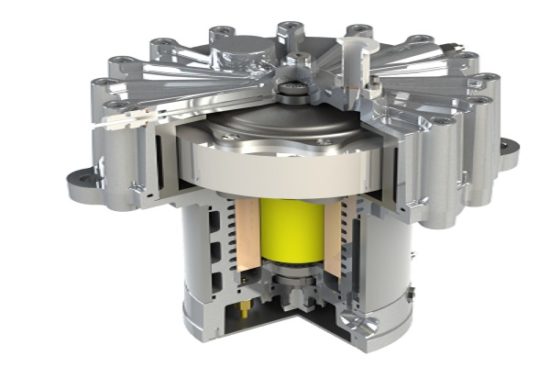
Regulation of an electrical grid involves balancing electricity supply capacity with the minute-to-minute fluctuations of electricity demand. The need for cost-effective regulation is growing rapidly as variable sources of power such as wind and solar power generation become more common. Currently most regulation is provided by conventional thermal electric generation plants. These plants provide ‘up’ regulation by increasing output when electricity demand exceeds supply and ‘down’ regulation by reducing output when electricity supply exceeds demand. An alternative to using generation for regulation is to use storage. The storage facility provides up regulation by discharging energy into the grid and down regulation by absorbing energy from the grid. Notably, the rate of power from (or into) flywheel energy storage can change much more rapidly than output from thermal electric generation plants. Generation plants’ output (up or down) changes by percentage points per minute whereas flywheels’ output can change from full output (discharge) to full input (charging) – and vice versa – within a few seconds. This course describes a flywheel’s ability to follow a rapidly changing control signal in a way that the value of regulation from the flywheel is worth significantly more than regulation provided by generation plants. The course documents a particular demonstration plant’s performance as a high-value regulation resource and the possible financial costs and benefits from a commercial flywheel storage plant used as a regulation resource. This course is based on the Sandia Report, SAND2009-6457, "Benefits from Flywheel Energy Storage for Area Regulation in California—Demonstration Results” by Jim Eyer, October 2009. Learning Objectives - Knowledge & Skills: The course is designed to provide engineers with the following specific knowledge and skills.
- Flywheels energy storage’s overall performance as a regulation resource
- Advantage that flywheels have over generation for regulation
- A methodology for evaluating flywheel storage cost and performance
- Financial viability of using flywheel storage as a grid regulation resource
ACCEPTANCE GUARANTEE
Ncite Engineering Hub engineering courses & live webinars meet NCEES Guidelines for Professional Engineer licenses renewal in all 50 states.
Live Webinars satisfy strict “Live Contact Hour” state mandates.
100% money-back State Board Acceptance Guarantee
Ncite Engineering Hub will refund your payment if the PDH credits you earn are rejected by your state board for any reason.

Ethics Courses

E – 3124 Engineering Ethics in the Age of AIby Dr Jeelan Moghraby, PhD., MBA

E – 1955 Illinois Statutes and Rules for Professional Engineersby Mark P. Rossow, PhD, P.E.

E – 1861 Indiana Statutes and Rules for Professional Engineers 2020-2022 Bienniumby Mark P. Rossow, PhD, P.E.

E – 2057 Modern Sensors – Detecting Physical Conditionsby Mr. Don Parnell, PE
Once completed, your order and certificate of completion will be available in your profile when you’re logged in to the site.