


No data found for Custom Course Number
No data found for Custom Course Units
Intended Audience: all engineers
PDH UNITS: 2
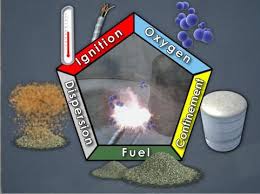
This course is based on the publication, A Guide to Combustible Dusts. This course emphasizes occupational safety. Employers must be aware of workplace hazards facing their employees and take appropriate action to minimize or eliminate exposure to these hazards. This course introduces precautions that can prevent dangerous explosions related to dust accumulation within the work facility. Dusts are created through innumerable processes, and must be dealt with in the safest manner. If the proper procedures are implemented, the risk of ignition of combustible dusts can be greatly reduced. With proper planning, implementation, and continued education in safe practices, a safer workplace can be obtained. The purpose of this course is to understand how combustible dusts are formed and how to identify hazards associated with them. The attendee will understand the proper procedures for protection as well as what to do when exposure does happen. Educating employees and managers on these methods is the key concept gained from this course. This guide is intended to be consistent with all existing OSHA standards therefore, if an area of this course is considered by the reader to be inconsistent with OSHA, then the OSHA standard should be followed.
Learning Objectives
At the successful conclusion of this course, you’ll be able to identify and discuss:- Understand the types of combustible dusts and their origins;
- Be able to evaluate and identify dust hazards;
- Understand basic training techniques of controlling dust hazards; and
- Be prepared to remediate dangerous dust levels.
ACCEPTANCE GUARANTEE
Ncite Engineering Hub engineering courses & live webinars meet NCEES Guidelines for Professional Engineer licenses renewal in all 50 states.

Live Webinars satisfy strict “Live Contact Hour” state mandates.
100% money-back State Board Acceptance Guarantee
Ncite Engineering Hub will refund your payment if the PDH credits you earn are rejected by your state board for any reason.

Ethics Courses

E – 1432 Illinois Laws and Board Rules for Professional Engineersby Mr. D. Allen Hughes, PE

E – 1814 World Trade Center- Engineering Ethical Issues in the Design, Construction, and the Investigation of Its Collapseby Dr. Abolhassan Astaneh-Asl, Professor Emeritus. Ph.D., PE

E – 1725 Ethical Behavior;The 2005 Taum Sauk Dam Breachby Mark P. Rossow, PhD, P.E.

E – 1896 Engineering Ethics: “Hold Safety Paramount” to Prevent Loss of Life, and the Case of Challenger Shuttle Disasterby Dr. Abolhassan Astaneh-Asl, Professor Emeritus. Ph.D., PE
Once completed, your order and certificate of completion will be available in your profile when you’re logged in to the site.