




• No products in the cart.

Profile Photo

No data found for Custom Course Number

No data found for Custom Course Units

$25.00

Profile Photo
$25.00

Intended Audience:: Electrical & Power Engineers
Credits: 1 PDH Unit

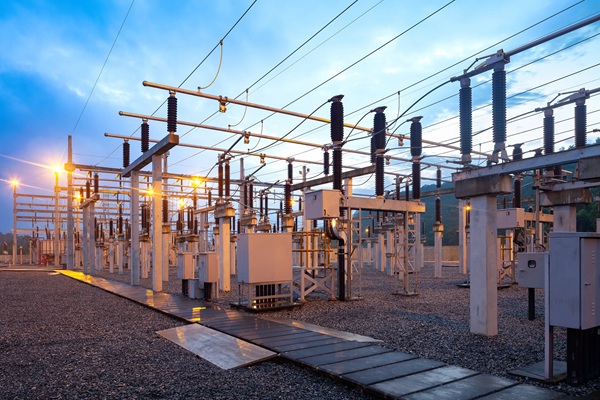
As more distributed sources of electric power, such as solar, wind and batteries, are introduced to the grid, significant changes will need to be incorporated to the grid to efficiently adapt to these sources. However, in some cases, since distributed sources often produce the energy close to the point of use, it is possible to reduce the load on the distribution system and substations, thus eliminating costly upgrades. In other cases, with large wind farms and solar farms, the distribution and transmission systems may require major upgrades. This 1-credit course takes a look at the effects of various options and leads to an interesting projection of the appearance of the future grid compared to the historic grid.

Course Outline

1. A brief description of the traditional electric grid, including AC and DC transmission. 2. Effects of adding large-scale renewables and corresponding effects on and necessary changes to the grid. 3. Effects of adding small-scale, distributed resources and corresponding effects and necessary changes to the grid. 4. Using energy storage, load management and energy efficiency improvements to increase the reliability and stability of the grid. 5. Changes needed to adapt to a distributed mix of generation and storage.

Learning Objectives

At the successful conclusion of this course, you’ll be able to identify and discuss:
  • Understand the structure and rationale of the historic grid.
  • Understand the effect on the grid of adding large renewable energy sources.
  • Understand the effect on the grid of adding small-scale neighborhood sources.
  • Understand the role of the substation in maintaining stability of the future grid system.
  • Understand the role of the engineer in the development of the future grid system.
  • Understand how to incorporate new loads to the system without degrading system reliability.

Author

Roger Messenger, PhD, PE, is Professor Emeritus of Electrical Engineering at Florida Atlantic University. He has been involved in research in energy efficiency and renewable energy since the OPEC oil embargo more than 50 years ago. He was a member of the team that wrote the first Florida Code for Energy Efficiency in Building Construction and conducted seminars for contractors and building officials on this material statewide. His recent interests have focused on engineering solutions to climate change. In addition, he has done final review for over 8,000 residential PV systems since 2020. He is the principal author of Photovoltaic Systems Engineering, an engineering textbook, now in its 5th edition. He specializes in presenting material in an understandable manner, which has earned him a number of teaching awards, including Florida Atlantic University Distinguished Teacher of the Year.

Course No E - 3152
PDH Units: 1

Ncite Engineering Hub engineering courses & live webinars meet NCEES Guidelines for Professional Engineer licenses renewal in all 50 states.
NEWSLETTER / SUBSCRIBE

Made by Engineers for Engineers for a Better Engineered World.

© 2026 NCEES. ALL RIGHTS RESERVED. | HUB, LLC 513 E. MAIN STREET # 981 · CHARLOTTESVILLE, VA 22902 USA

top