No data found for Custom Course Number
No data found for Custom Course Units
Intended Audience: environmental engineers and air-quality officials
PDH UNITS: 3
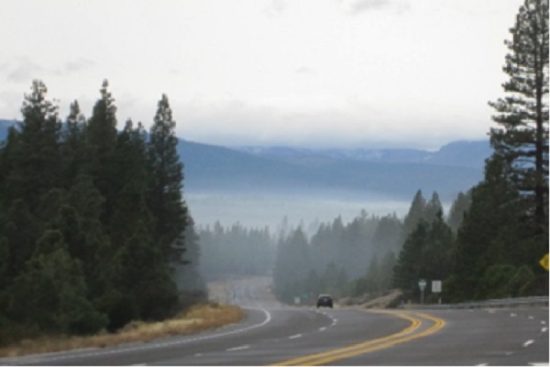
Because wood stoves, hydronic heaters, and similar appliances can be used around the clock in residential areas, they can cause significant and varying health and quality of life issues. Fireplaces, for example, may represent as much as 75% of the pollution from wood-burning devices on bad air quality days in the San Francisco Bay area. So what are the best strategies for reducing residential wood smoke? Our online course developed by Dr. Mark P. Rossow, Ph.D., P.E. presents the best practices to reduce fine particle pollution attributed to residential wood smoke for state and local air officials. Specifically, this engineering, PDH-accredited course describes strategies for reducing residential wood smoke. The material outlines the education and outreach tools, information on regulatory approaches to reduce wood smoke, and real-world case studies of voluntary programs that communities have used to replace old, inefficient wood stoves, hydronic heaters, and fireplaces. This course includes EPA federal actions to help communities address residential wood smoke throughout the U.S. In addition, it includes possible approaches for funding replacement programs, methods for calculating emission reductions, and the basic components of a wood smoke reduction plan for fine particles in areas where wood smoke is of concern. The information in this course is based on the EPA's, “Strategies for Reducing Residential Wood Smoke".
Learning Objectives
At the successful conclusion of this course, you’ll be able to identify and discuss:- Regulatory programs
- Voluntary programs
- Education and outreach
- Funding mechanisms
- Partnerships
- Other strategies for reducing residential wood smoke
ACCEPTANCE GUARANTEE

Ncite Engineering Hub engineering courses & live webinars meet NCEES Guidelines for Professional Engineer licenses renewal in all 50 states.
Live Webinars satisfy strict “Live Contact Hour” state mandates.
100% money-back State Board Acceptance Guarantee
Ncite Engineering Hub will refund your payment if the PDH credits you earn are rejected by your state board for any reason.
Ethics Courses

E – 1316 – Engineering Ethics Case Study: The Taum Sauk Reservoir Failureby Mark P. Rossow, PhD, P.E.

E – 1141 Engineering Ethics-NSPE Code of Ethics for Engineersby Mark P. Rossow, PhD, P.E.

E – 1206 Ethical Issues – Tacoma Narrows Bridge Collapseby Mr. J. Paul Guyer, P.E., R.A.

E – 1861 Indiana Statutes and Rules for Professional Engineers 2020-2022 Bienniumby Mark P. Rossow, PhD, P.E.
Once completed, your order and certificate of completion will be available in your profile when you’re logged in to the site.