
No data found for Custom Course Number
No data found for Custom Course Units
Intended Audience: civil, highway, county, and state engineers concerned with the design and maintenance of gravel roads
PDH UNITS: 4
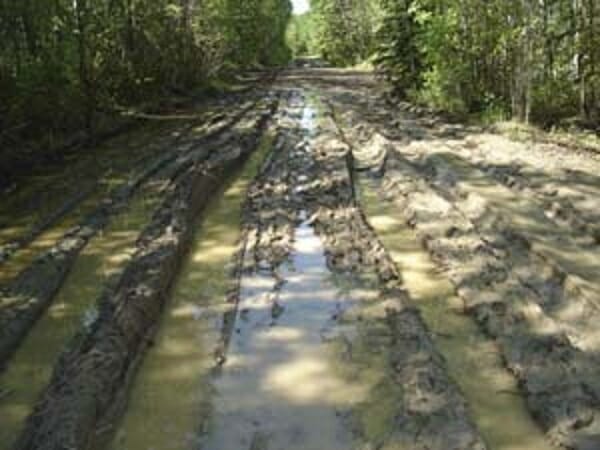
Walk through the environmentally- and cost-sensitive maintenance practices for dirt and gravel roads in our online course curated by Dr. Rossow. If implemented correctly, these maintenance practices not only minimize erosion and sediment, maintain subsurface hydrologic connectivity, restore drainage density to more natural conditions, and eliminate diversion potential; but they also reduce long-term maintenance costs and lengthen maintenance cycles. The course describes a simple protocol to help road managers and maintenance practitioners assess road conditions, identify problems, determine causes, and select the appropriate environmentally-sensitive practices that fit site conditions. The various conditions are illustrated through extensive use of carefully chosen photographs. This online engineering course is based on the U.S. Department of Agriculture document 7700-Transportation Management 1177 1802--SDTCD, “Environmentally Sensitive Maintenance Practices for Dirt and Gravel Roads,” written by personnel from the Forest Service, U.S. Department of Agriculture, and Pennsylvania State University’s Center for Dirt and Gravel Roads, April, 2012.
Learning Objectives
At the successful conclusion of this course, you’ll be able to identify and discuss:- Keys to diagnosing road problems
- Subsurface water
- Road surface drainage
- Roadside ditches
- Ditch outlets
- Road stream crossings
- Surface aggregate
- Road assessment and monitoring
ACCEPTANCE GUARANTEE

Ncite Engineering Hub engineering courses & live webinars meet NCEES Guidelines for Professional Engineer licenses renewal in all 50 states.
Live Webinars satisfy strict “Live Contact Hour” state mandates.
100% money-back State Board Acceptance Guarantee
Ncite Engineering Hub will refund your payment if the PDH credits you earn are rejected by your state board for any reason.
Ethics Courses

E – 1633 – Florida Laws and Rules Biennium Cycle 2017-2019by Mark P. Rossow, PhD, P.E.

E – 1316 – Engineering Ethics Case Study: The Taum Sauk Reservoir Failureby Mark P. Rossow, PhD, P.E.

E – 1771 Climate Change: Facts & Solutions; An Ethical Challenge For Engineers and Architectsby Professor Roger Messenger, Ph.D., P.E.

E – 1861 Indiana Statutes and Rules for Professional Engineers 2020-2022 Bienniumby Mark P. Rossow, PhD, P.E.
Once completed, your order and certificate of completion will be available in your profile when you’re logged in to the site.