




No data found for Custom Course Number
No data found for Custom Course Units
Intended Audience: engineers concerned with the development of renewable energy technologies for electrical generation.
PDH UNITS: 4
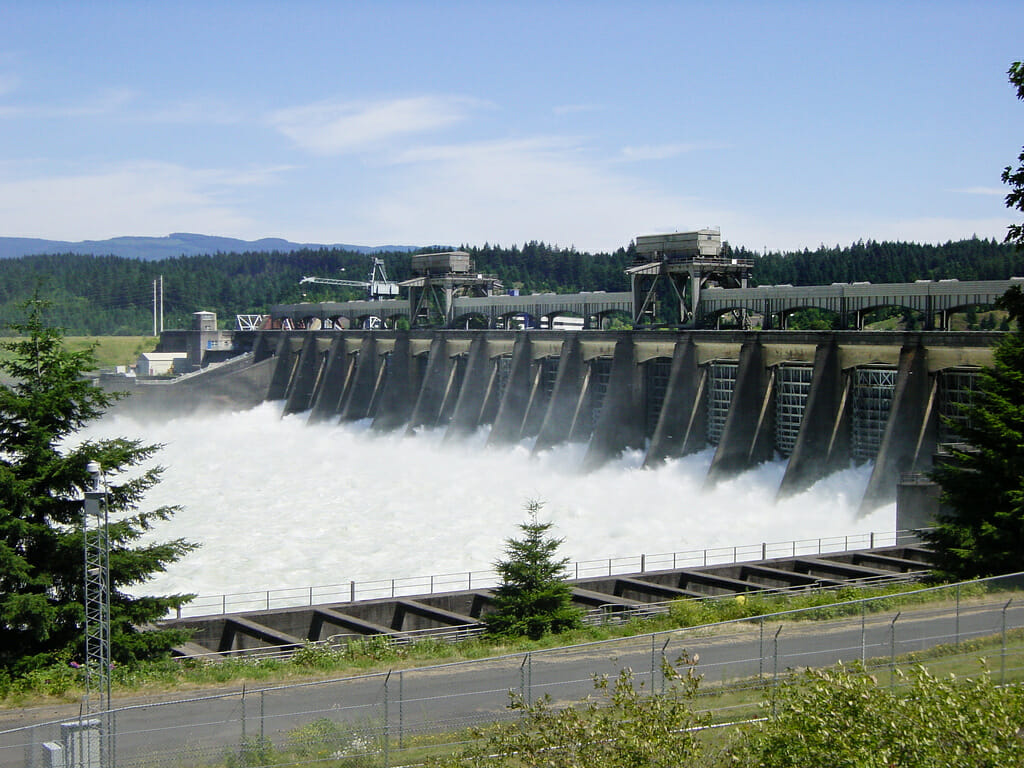
Hydropower is currently the largest source of renewable electricity generation in the United States, representing approximately 7% of total generation. Larger plants with water storage capability will play an important role in the future development of wind and solar power generation by providing back-up power to smooth out the fluctuations associated with these variable power sources. This course describes the technology of hydropower generation and provides estimates of hydropower availability. The advantages of generating electricity by hydropower rather than by fossil fuels are presented. Environmental impacts such as impounding water, flooding terrestrial habitats, and preventing the movement of fish and aquatic organisms, sediments, and nutrients are also described. Barriers to the expansion of hydropower, such as the high capital cost of new hydropower projects and the lengthy licensing and approval process are discussed. This course is based on Chapter 8, “Hydropower” of Volume 2 of “Renewable Electricity Futures Study. NREL/TP-6A20-52409-2. Golden, CO: National Renewable Energy Laboratory, 2012.
Learning Objectives
At the successful conclusion of this course, you’ll be able to identify and discuss:- Estimates of hydropower availability
- Overview of hydropower technology
- Environmental advantages over generation of power from fossil fuels
- Environmental and social disadvantages
- Manufacturing and materials requirements
- Potential for and barriers to expansion of hydropower
ACCEPTANCE GUARANTEE
Ncite Engineering Hub engineering courses & live webinars meet NCEES Guidelines for Professional Engineer licenses renewal in all 50 states.

Live Webinars satisfy strict “Live Contact Hour” state mandates.
100% money-back State Board Acceptance Guarantee
Ncite Engineering Hub will refund your payment if the PDH credits you earn are rejected by your state board for any reason.

Ethics Courses

[Live Webinar] Engineering Ethics: Lessons from the Flint Water Crisis — When Public Safety Was Not Held Paramountby Dr. Abolhassan Astaneh-Asl, Professor Emeritus. Ph.D., PE

E – 1911 Internet of Things (IoT) Application and Future Challengesby Dr. Sonal Desai

E – 3019 Engineering Ethics: Ship and Bridge Collision; Ethics Violation Caused Six Deathsby Dr. Abolhassan Astaneh-Asl, Professor Emeritus. Ph.D., PE

E – 2052 Ethics – When Engineering is a Threat to National Securityby Mr. Don Parnell, PE
Once completed, your order and certificate of completion will be available in your profile when you’re logged in to the site.