

No data found for Custom Course Number
No data found for Custom Course Units
Intended Audience: Energy, Building and Facilities Engineers
PDH UNITS: 2
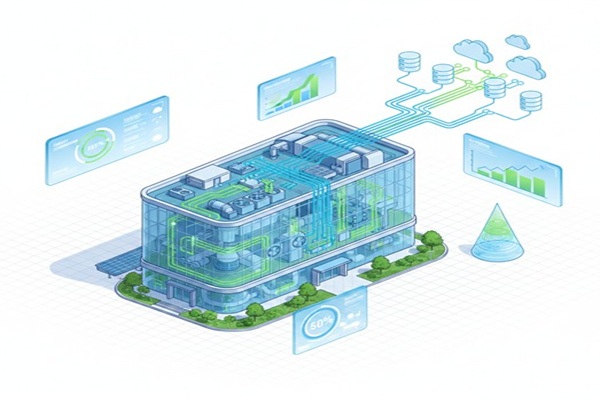
Building energy consumption represents approximately 40% of total energy use in developed nations, making energy optimization a critical challenge for building professionals. Digital twin technology has emerged as a transformative approach to energy management, offering virtual replicas of physical assets that use real-time data, simulation models, and machine learning algorithms to optimize energy performance. This comprehensive course introduces building professionals to the application of digital twin technology for energy optimization, providing both theoretical foundations and practical implementation guidance.
By completing this course, you will gain practical insights into how digital twins integrate building automation systems, IoT sensor networks, weather data, occupancy patterns, and utility rate structures to create comprehensive energy optimization platforms. Research from the International Energy Agency indicates that buildings implementing digital twin-based energy management systems have achieved energy savings of 15 to 30 percent, with some implementations reporting reductions exceeding 40 percent. Google's application of deep reinforcement learning to data center cooling achieved 40 percent reduction in cooling energy, demonstrating the potential of AI-powered digital twin optimization.
This course bridges the gap between emerging digital twin technologies and practical building applications, examining foundational concepts, energy system modeling, AI-powered optimization algorithms, and real-world implementation strategies. Whether you are a facility manager, building engineer, energy manager, or design professional, this course will equip you with the knowledge needed to evaluate, implement, and optimize digital twin-based energy management programs that deliver measurable energy savings and sustainability benefits.
Learning Objectives:
At the successful conclusion of this course, you will learn the following knowledge and skills:- Define digital twin technology and explain its application to building energy systems, including the relationships between physical assets, virtual models, data streams, and simulation engines.
- Describe the data architecture required for energy-focused digital twins, including sensor requirements, data integration protocols, storage solutions, and real-time processing capabilities.
- Explain physics-based and data-driven modeling approaches for building energy simulation, including thermal dynamics, HVAC system models, and lighting systems.
- Identify machine learning algorithms used for energy prediction and optimization, including neural networks, reinforcement learning, and ensemble methods.
- Apply model predictive control concepts to building energy optimization using digital twin frameworks, understanding prediction horizons and constraint handling.
- Evaluate implementation strategies for digital twin deployment, including phased approaches, integration requirements, and organizational change management.
- Calculate return on investment for digital twin energy optimization projects using industry benchmarks and case study data.
- Describe cybersecurity considerations and data privacy requirements for digital twin implementations in building systems.
- Identify emerging technologies including edge computing, federated learning, and autonomous optimization that will shape future digital twin capabilities.
- Assess appropriate applications for digital twin technology in various building types and organizational contexts, recognizing both capabilities and limitations.
Once completed, your order and certificate of completion will be available in your profile when you’re logged in to the site.