



• No products in the cart.

Profile Photo

No data found for Custom Course Number

No data found for Custom Course Units

$50.00

Profile Photo
$50.00

Intended Audience:for Civil and Project Engineers

PDH UNITS: 2

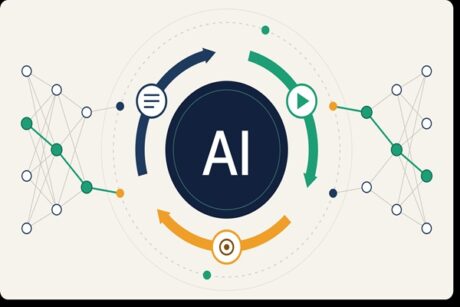
The interior design profession stands at the threshold of a technological revolution driven by generative artificial intelligence. This comprehensive course introduces interior designers, architects, and space planning professionals to the transformative world of generative AI as applied to interior design, visualization, space layout, and professional practice. Whether you are a practicing designer, architectural professional, or allied specialist, this course will equip you with the foundational knowledge needed to understand, evaluate, and implement AI-driven solutions in your design workflows.

By completing this course, you will gain practical insights into how generative AI technologies can accelerate concept development, expand design exploration, create compelling visualizations, and enhance documentation workflows. Survey data indicates that over 50 percent of interior design firms have experimented with generative AI tools, with practitioners reporting time savings of 40 to 70 percent for early-stage visualization tasks. This course bridges the gap between cutting-edge technology and practical application, preparing you to leverage AI tools effectively while maintaining the creative vision and professional judgment that define design excellence.

Learning Objectives:

At the successful conclusion of this course, you will learn the following knowledge and skills:
  • Define generative AI, machine learning, and diffusion models, and explain how these technologies differ from traditional CAD and parametric design methods used in interior design practice.
  • Distinguish between text-to-image and image-to-image generation modes and identify appropriate applications for each in interior design and space planning workflows.
  • Describe current AI capabilities and adoption patterns in interior design practice including concept visualization, material exploration, space planning assistance, and client communication.
  • Apply generative AI tools effectively for early-phase concept development, style exploration, material and finish selection, and rapid visualization during design development.
  • Construct effective prompts using interior design vocabulary, style references, material specifications, and iterative refinement techniques to achieve desired AI outputs.
  • Evaluate leading generative AI platforms including Midjourney, DALL-E, Stable Diffusion, and large language models based on output quality, ease of use, control capabilities, and business terms.
  • Explain quality assurance requirements for AI-generated content including technical accuracy checking, consistency verification, and appropriateness standards for professional deliverables.
  • Identify intellectual property considerations including copyright questions, ownership of AI outputs, platform terms of service, and client contract provisions.
  • Describe disclosure obligations and client communication best practices for AI use in interior design including transparency standards and expectation management.
  • Recognize bias and representation issues in AI-generated interior design content and apply strategies to ensure inclusive, culturally sensitive, and socially responsible design practice.

Course No E - 3112
PDH Units: 2
Copyright 2025 · All Rights Reserved. Ncite Engineering Hub, LLC 513 E- Main Street # 981 Charlottesville, VA 22902 USA