






No data found for Custom Course Number
No data found for Custom Course Units
Intended Audience: Architecture, Civil & Environmental Engineers
PDH UNITS: 1
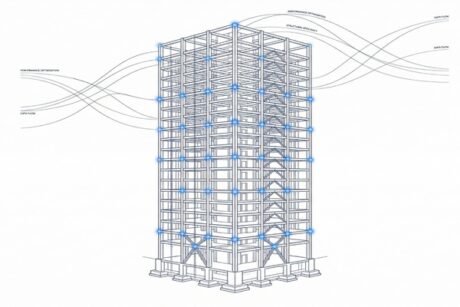
As buildings account for approximately 40 percent of global energy consumption and carbon emissions, the need for smarter, more efficient building operations has never been more critical. This comprehensive course introduces building professionals to the transformative world of artificial intelligence and machine learning as applied to building performance and energy analysis. Whether you are an architect, engineer, facility manager, or sustainability consultant, this course will equip you with the foundational knowledge needed to understand, evaluate, and implement AI-driven solutions in your projects and organizations. By completing this course, you will gain practical insights into how AI technologies can optimize building design, detect equipment faults before they cause costly failures, predict energy consumption with greater accuracy, and automate real-time building controls. Research and pilot projects have demonstrated energy savings of 10 to 30 percent through AI-driven optimization, making these tools essential for meeting increasingly stringent sustainability requirements and reducing operational costs. This course bridges the gap between cutting-edge technology and practical application, preparing you to lead the transformation toward a more sustainable built environment.
Learning Objectives:
At the successful conclusion of this course, you will learn the following knowledge and skills:- Define artificial intelligence, machine learning, and deep learning, and explain how these technologies differ from traditional physics-based building simulation methods.
- Identify the key data sources required for AI-driven building analysis, including building automation systems, smart meters, IoT sensors, and weather data.
- Describe data quality challenges and preprocessing techniques necessary for effective machine learning applications in buildings.
- Distinguish between supervised learning, unsupervised learning, and reinforcement learning, and identify appropriate applications for each in building performance analysis.
- Explain how AI enhances energy modeling through surrogate models, hybrid physics-ML approaches, and automated model calibration.
- Describe the principles and benefits of AI-based fault detection and diagnostics (FDD) and predictive maintenance for HVAC systems.
- Explain model predictive control (MPC) and reinforcement learning control strategies for real-time building optimization.
- Evaluate commercial AI platforms and software options for building performance applications and understand integration requirements with building management systems.
- Recognize emerging technologies such as digital twins, foundation models, and federated learning and their potential impact on building operations.
- Identify ethical considerations, data privacy requirements, and cybersecurity best practices for responsible AI deployment in buildings.
Once completed, your order and certificate of completion will be available in your profile when you’re logged in to the site.