


No data found for Custom Course Number
No data found for Custom Course Units
Intended Audience: for architects, civil engineers, urban planners, environmental consultants, and policymakers involved in building design, disaster preparedness, and recovery efforts.
PDH UNITS: 4
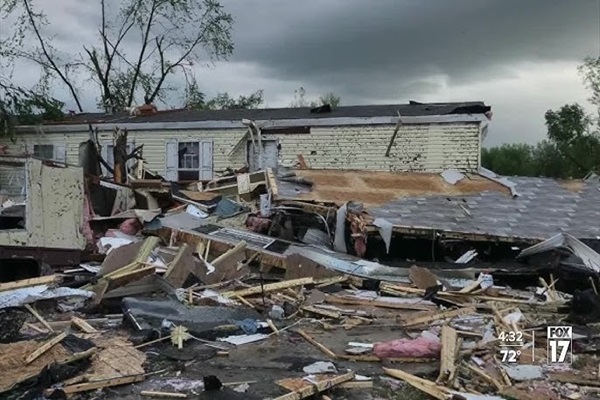
Natural disasters are increasing in frequency and intensity, causing billions in damages to infrastructure and the environment. This course offers a transformative approach to disaster resilience, exploring innovative design strategies to strengthen buildings and minimize disaster debris. From retrofitting existing buildings to integrating nature-inspired solutions, this course offers essential knowledge for building a sustainable and resilient future through real-world case studies and best practices. Course Outline
- Introduction to Disaster Resilient Design
- Best Practices for Resilient Building Design
- Material Selection and Circular Economy
- Retrofit and Upgrade Techniques
- Building Codes and Standards
- Lessons from Natural Disasters
- Resources for Disaster Planning
Learning Objectives
At the successful conclusion of this course, you’ll be able to identify and discuss:- Explain the importance of disaster-resilient design in reducing debris.
- Identify key hazards and their impact on building structures.
- Apply circular economy principles to building design and recovery.
- Implement nature-based strategies to enhance resilience.
- Select materials that enhance a building’s adaptability and survivability.
- Retrofit existing structures to withstand natural disasters.
- Integrate policy and building codes to support resilient designs.
- Utilize case studies to inform best practices in disaster preparedness and recovery.
ACCEPTANCE GUARANTEE
Ncite Engineering Hub engineering courses & live webinars meet NCEES Guidelines for Professional Engineer licenses renewal in all 50 states.

Live Webinars satisfy strict “Live Contact Hour” state mandates.
100% money-back State Board Acceptance Guarantee
Ncite Engineering Hub will refund your payment if the PDH credits you earn are rejected by your state board for any reason.

Ethics Courses

E – 1861 Indiana Statutes and Rules for Professional Engineers 2020-2022 Bienniumby Mark P. Rossow, PhD, P.E.

E – 1206 Ethical Issues – Tacoma Narrows Bridge Collapseby Mr. J. Paul Guyer, P.E., R.A.

E – 3024 Indiana Statutes and Rules for Professional Engineers 2024-2026 Bienniumby Mark P. Rossow, PhD, P.E.

E – 1392 Texas Laws and Board Rules for Professional Engineersby Mr. D. Allen Hughes, PE
Once completed, your order and certificate of completion will be available in your profile when you’re logged in to the site.