



No data found for Custom Course Number
No data found for Custom Course Units
Intended Audience: Civil and Environment Engineers
PDH UNITS: 2
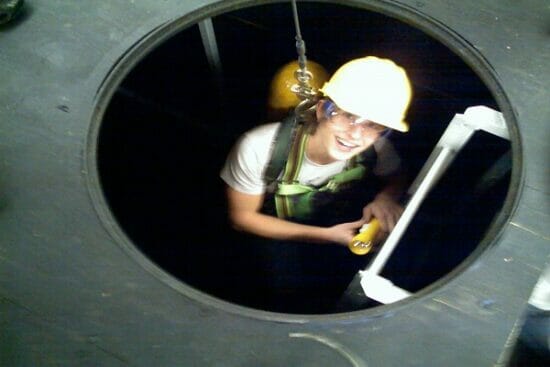
Confined spaces pose a number of safety threats to workers. They could contain a toxic gas, be deceptively hot, or have a lack of oxygen, among other threats. Therefore, it is essential that employers and employees alike are educated in safety procedures regarding confined spaces. This course provides safety practices for a variety of threats that could potentially exist in a confined space. Course participants will learn how to define and classify a confined space, the various types of hazards that may be present in confined spaces, the entry options of confined spaces, methods for clearing hazards, and the importance of education and training. The two leading causes of fatal injuries in confined spaces are (1) the lack of recognition of hazards and (2) inadequate or incorrect emergency response. This course is based on the publication A Guide to Safety in Confined Spaces. The techniques and methodologies described in these course documents are derived from OSHA standards. If any part of this course is found to conflict with an OSHA standard, then the standard should be following.
Learning Objectives
Upon completion of the course, the student should understand:- What constitutes a confined space
- The procedures for assessing risk in a confined space
- The different types of hazards that commonly appear in confined spaces
- Methods for making a safe entry into a confined space
- The duties of the entrant, the attendant, and the supervisor
- How to respond to emergency situations involving confined spaces
ACCEPTANCE GUARANTEE
Ncite Engineering Hub engineering courses & live webinars meet NCEES Guidelines for Professional Engineer licenses renewal in all 50 states.

Live Webinars satisfy strict “Live Contact Hour” state mandates.
100% money-back State Board Acceptance Guarantee
Ncite Engineering Hub will refund your payment if the PDH credits you earn are rejected by your state board for any reason.

Ethics Courses

E – 1725 Ethical Behavior;The 2005 Taum Sauk Dam Breachby Mark P. Rossow, PhD, P.E.

E – 1975 Indiana Statutes and Rules for Professional Engineers 2022-2024 Bienniumby Mark P. Rossow, PhD, P.E.

[Live Webinar] Engineering Ethics: Lessons from the Flint Water Crisis — When Public Safety Was Not Held Paramountby Dr. Abolhassan Astaneh-Asl, Professor Emeritus. Ph.D., PE

E – 2090 Ethical Engineering Practices and Case Studies; Modern Ethical Challengesby Steven Vitale. Ph.D., P.E.
Once completed, your order and certificate of completion will be available in your profile when you’re logged in to the site.


E 1102 Valve Fundamentals