



• No products in the cart.

Profile Photo

No data found for Custom Course Number

No data found for Custom Course Units

$25.00

Profile Photo
$25.00

Intended Audience: Power & Electrical Engineers

PDH UNITS: 1

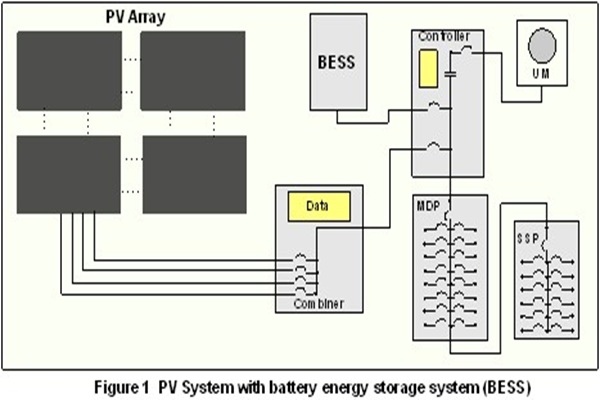
This 1-credit course explains the details of virtual power plants and the role of the engineer in cost-effective implementation of them. Virtual power plants are a form of distributed power generation that takes advantage of the cost-effectiveness of localized renewable energy sources and localized battery energy storage systems on stabilizing the electrical grid. The course explores the customer and utility side of this idea, which is gaining popularity in many areas.

Course Outline

  • What is a virtual power plant?
  • What is the difference between a virtual power plant and a battery-backup system?
  • Why are virtual power plants important?
  • Examples of virtual power plant systems with and without localized renewables.
  • Economics of virtual power plants.
  • Non-technical Issues associated with virtual power plants.

Learning Objectives

At the successful conclusion of this course, you’ll be able to identify and discuss:
  • Understand some of the utility challenges that are contributing to grid instability.
  • Understand why virtual power plants offer a solution for power grid stability that provides a win for the customer, a win for the utility, a win for the engineer and a win for the planet.
  • Understand the details of how a virtual power plant operates: design, components and communications from user side and utility side.
  • Understand how security and redundancy issues need to be considered.
  • Learn how electric vehicles can become part of the solution for grid stability.
  • Learn of the non-technical issues involved with VPPs that need to be overcome for large-scale adoption.

Author

Roger Messenger, PhD, PE, is Professor Emeritus of Electrical Engineering at Florida Atlantic University. He has been involved in research in energy efficiency and renewable energy since the OPEC oil embargo more than 50 years ago. He was a member of the team that wrote the first Florida Code for Energy Efficiency in Building Construction and conducted seminars for contractors and building officials on this material statewide. His recent interests have focused on engineering solutions to climate change, one of which is virtual power plants. In addition, he has done final review for over 8,000 residential PV systems since 2020. He is the principal author of Photovoltaic Systems Engineering, an engineering textbook, now in its 5th edition. He specializes in presenting material in an understandable manner, which has earned him a number of teaching awards, including Florida Atlantic University Distinguished Teacher of the Year.

Course No E - 3154
PDH Units: 1

Ncite Engineering Hub engineering courses & live webinars meet NCEES Guidelines for Professional Engineer licenses renewal in all 50 states.
NEWSLETTER / SUBSCRIBE

Made by Engineers for Engineers for a Better Engineered World.

© 2026 NCEES. ALL RIGHTS RESERVED. | HUB, LLC 513 E. MAIN STREET # 981 · CHARLOTTESVILLE, VA 22902 USA

top