


No data found for Custom Course Number
No data found for Custom Course Units
Intended Audience: for architects, civil engineers, urban planners, environmental consultants, and policymakers involved in building design, disaster preparedness, and recovery efforts.
PDH UNITS: 4
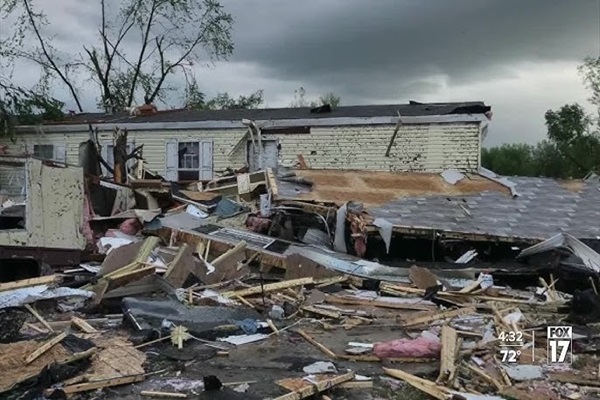
Natural disasters are increasing in frequency and intensity, causing billions in damages to infrastructure and the environment. This course offers a transformative approach to disaster resilience, exploring innovative design strategies to strengthen buildings and minimize disaster debris. From retrofitting existing buildings to integrating nature-inspired solutions, this course offers essential knowledge for building a sustainable and resilient future through real-world case studies and best practices. Course Outline
- Introduction to Disaster Resilient Design
- Best Practices for Resilient Building Design
- Material Selection and Circular Economy
- Retrofit and Upgrade Techniques
- Building Codes and Standards
- Lessons from Natural Disasters
- Resources for Disaster Planning
Learning Objectives
At the successful conclusion of this course, you’ll be able to identify and discuss:- Explain the importance of disaster-resilient design in reducing debris.
- Identify key hazards and their impact on building structures.
- Apply circular economy principles to building design and recovery.
- Implement nature-based strategies to enhance resilience.
- Select materials that enhance a building’s adaptability and survivability.
- Retrofit existing structures to withstand natural disasters.
- Integrate policy and building codes to support resilient designs.
- Utilize case studies to inform best practices in disaster preparedness and recovery.
ACCEPTANCE GUARANTEE
Ncite Engineering Hub engineering courses & live webinars meet NCEES Guidelines for Professional Engineer licenses renewal in all 50 states.

Live Webinars satisfy strict “Live Contact Hour” state mandates.
100% money-back State Board Acceptance Guarantee
Ncite Engineering Hub will refund your payment if the PDH credits you earn are rejected by your state board for any reason.

Ethics Courses

E – 1756 Engineering Ethics and Responsible Chargeby Mr. D. Allen Hughes, PE

E – 2020 Engineering Ethics — Case Studies in Fraudulent Safety Claimsby Mark P. Rossow, PhD, P.E.

E – 1140 – Engineering Ethics Guidelines for Professional Conductby Mark P. Rossow, PhD, P.E.

E – 1840 Engineering Ethics: The Collapse of the FIU Pedestrian Bridge. Design & Ethical Failuresby Dr. Abolhassan Astaneh-Asl, Professor Emeritus. Ph.D., PE
Once completed, your order and certificate of completion will be available in your profile when you’re logged in to the site.