
No data found for Custom Course Number
No data found for Custom Course Units
Intended Audience: Civil, environmental, and mechanical engineers
PDH UNITS: 3
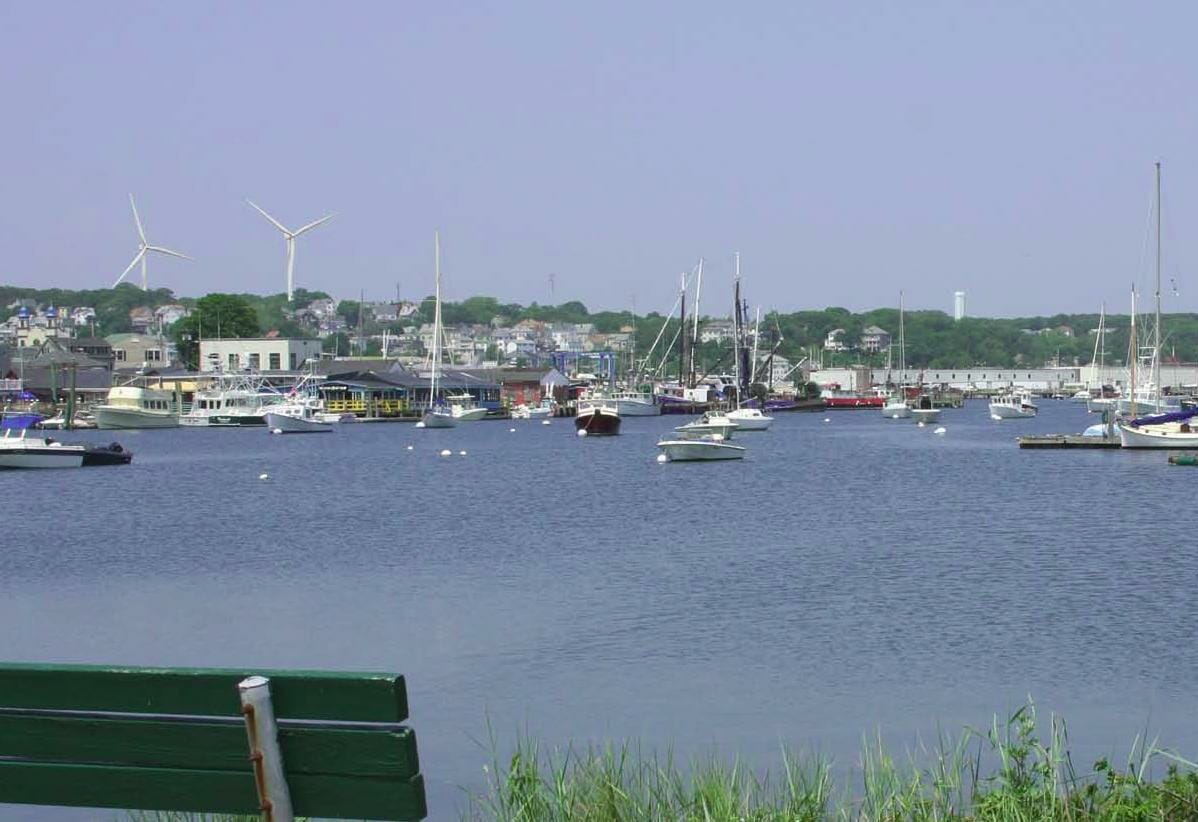
Municipal water and wastewater operations are energy intensive. Energy used by water systems account for more than 3 percent of total electric demand. Energy inputs to water systems occur at different locations in the system, from initial extraction of water from surface or groundwater sources, through conveyance, storage, treatment, distribution, end-use, wastewater collection and treatment, and discharge or reuse. These important energy inputs to water systems are sometimes located in places with significant wind energy potential. Although the focus of this course is municipal systems, many water supply systems provide service to all types of users. Where wind energy systems can contribute to energy inputs, and particularly to the energy required to lift and move water, important overlaps in benefits between municipal and other uses occur. This course presents a systematic assessment of the potential for wind power to support water utility operation, with the objective of identifying promising technical applications. The first part of the course describes the current situation that municipal providers face with respect to energy and water. The second part describes the progress that wind technologies have made in recent years to become a cost-effective electricity source. The third part describes the analysis employed to assess potential for wind power in support of water service providers, as well as two case studies. The course concludes with results and recommendations. This course is based on the document, “Wind Energy Applications for Municipal Water Services: Opportunities, Situation Analyses, and Case Studies”, by L. Flowers and L. Miner-Nordstrom, Conference Paper NREL/CP-500-39178, January 2006, U.S. Department of Energy.
Learning Objectives
At the successful conclusion of this course, you’ll be able to identify and discuss:- Challenges for U.S. water supply and wastewater treatment
- Stresses on municipal water service providers
- Energy requirements
- Wind energy market
- Energy market drivers
- Energy market economics
- Implementation issues
- Wind-powered water service applications
- Screening for water service opportunities in windy U.S. areas
- Locations with wind-water potential Case studies
ACCEPTANCE GUARANTEE

Ncite Engineering Hub engineering courses & live webinars meet NCEES Guidelines for Professional Engineer licenses renewal in all 50 states.
Live Webinars satisfy strict “Live Contact Hour” state mandates.
100% money-back State Board Acceptance Guarantee
Ncite Engineering Hub will refund your payment if the PDH credits you earn are rejected by your state board for any reason.
Ethics Courses

E – 2043 Florida Laws and Rules for Professional Engineers Biennium Cycle 2023-2025by Mark P. Rossow, PhD, P.E.

E – 1756 Engineering Ethics and Responsible Chargeby Mr. D. Allen Hughes, PE

E – 2020 Engineering Ethics — Case Studies in Fraudulent Safety Claimsby Mark P. Rossow, PhD, P.E.

E – 1207 – Ethical Issues from the St. Francis Dam Failureby Mr. J. Paul Guyer, P.E., R.A.

Once completed, your order and certificate of completion will be available in your profile when you’re logged in to the site.