
No data found for Custom Course Number
No data found for Custom Course Units
Intended Audience: all engineers, especially civil & construction engineers
PDH UNITS: 7
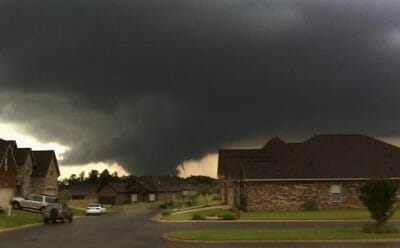
Tornadoes cause heavy loss of life and property damage throughout much of the United States. Ideally, a specially designed safe room or storm shelter offers the best protection from a tornado. However, the time of a tornado strike may find building occupants without access to areas designed to withstand tornado strikes. Most schools and other public buildings include areas that offer some protection from this danger even if they lack specially designed safe rooms or storm shelters. Building occupants should know the locations of these areas. The guidance presented in this course is intended primarily to help designers, planners and administrators select the best available refuge areas in existing schools. Building administrators, architects, and engineers are encouraged to apply this guidance so that the number of injuries and deaths will be minimized if a tornado strikes an occupied school. The principles in this course can be applied to similar structure types other than schools. While predicting specific tornado strike locations is unpredictable, building failure modes were found to be relatively predictable in the case studies. Certain parts of buildings offer increased protection to occupants and certain areas should be avoided. The ability of occupants to reach the areas referred to as “Best Available Refuge Areas” provides an increased chance of avoiding injury and death from the tornado. The eyewitness accounts from tornado survivors emphasize the human consequences of policy and design decisions. COURSE OUTLINE 1. Tornado Profile 2. Effects of High Winds 3. Atmospheric Pressure Changes 4. Debris Impact 5. Case Studies of Public School Buildings 6. Selection Procedure 7. Required Refuge Area Space 8. Identifying the Best Available refuge Areas 9. Verifying the Best Available Refuge Areas 10. Selecting the Best Available refuge Areas in Other Types of Buildings
Learning Objectives
- Be better able to assess tornado risk for a given geographic area;
- Be introduced to the Fujita Tornado Damage Scale;
- Understand wind-induced forces;
- Understand changes in atmospheric pressure;
- Understand debris impact;
- Understand missile impact;
- Be introduced to simple methods to reinforce refuge areas;
- Be able to select the best refuge areas in an existing building;
- Be able to calculate the required space (square footage) for a given number of occupants in a refuge area;
- Be able to review construction drawings for refuge area selection;
- Be able to inspect existing buildings for refuge area selection;
- Be able to identify nearby potential missiles;
- Be able to identify hazardous building elements to be avoided; and
- Understand the proper priorities in selecting refuge areas.
ACCEPTANCE GUARANTEE

Ncite Engineering Hub engineering courses & live webinars meet NCEES Guidelines for Professional Engineer licenses renewal in all 50 states.
Live Webinars satisfy strict “Live Contact Hour” state mandates.
100% money-back State Board Acceptance Guarantee
Ncite Engineering Hub will refund your payment if the PDH credits you earn are rejected by your state board for any reason.
Ethics Courses

E – 2043 Florida Laws and Rules for Professional Engineers Biennium Cycle 2023-2025by Mark P. Rossow, PhD, P.E.

E – 2051 Engineering Ethics – The Importance of Mentorshipby Mr. Don Parnell, PE

E – 1633 – Florida Laws and Rules Biennium Cycle 2017-2019by Mark P. Rossow, PhD, P.E.

E – 1141 Engineering Ethics-NSPE Code of Ethics for Engineersby Mark P. Rossow, PhD, P.E.
Once completed, your order and certificate of completion will be available in your profile when you’re logged in to the site.