





No data found for Custom Course Number
No data found for Custom Course Units
Intended Audience: civil, mechanical, industrial and environmental engineers
PDH UNITS: 5
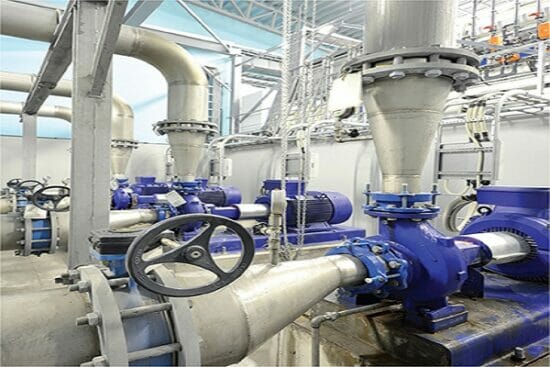
Pumps are widely used in industry for uses such as providing lubrication and cooling service and to transferring process fluids. In the commercial sector pumps see widespread use for HVAC systems. Municipalities depend upon pumps in water and wastewater treatment plants. Pumps consume 27% of the electricity used by industrial systems in the manufacturing sector. In view of this widespread use of pumps, any steps taken to improve the efficiency of performance can have a significant effect. Methods of analyzing pumping systems and improving their efficiency are the subject matter of this course. This course is intended for civil, mechanical, industrial and environmental engineers. An attendee of this course will gain knowledge about methods for analyzing pumping systems and steps for improving their efficiency. In this course, you need to review the material in the U.S. DOE, Energy Efficiency and Renewable Energy publication, Improving Pumping System Performance - A Sourcebook for Industry, 2nd Ed, which is in the pdf file, "Pumping System Performance Improvement" Once you complete your course review, you need to take a multiple-choice quiz consisting of twenty-five (25) questions to earn 5 PDH credits. The quiz will be based on pages 1-72 of the document.
Learning Objectives
- Understand with standard pumping system components, types of centrifugal pumps, and real-world applications of which centrifugal pumps.
- Determine the types of positive displacement pumps and the typical applications for which positive displacement pumps are used.
- Identify the opportune times in the life cycle of a pumping system for assessing pumping system needs to improve performance
- Pinpoint solutions and maintenance needs for common pumping system problems.
- Recognize indicators of an oversized pump in a pumping system.
- Analyze piping configurations, including multiple pump arrangements and the use of pony pumps, to improve pumping system efficiency.
- Predict the effect of impeller trimming on pump flow rate and head and brake horsepower.
- Estimate the annual cost of electricity of a pump for several types of input information.
ACCEPTANCE GUARANTEE
Ncite Engineering Hub engineering courses & live webinars meet NCEES Guidelines for Professional Engineer licenses renewal in all 50 states.

Live Webinars satisfy strict “Live Contact Hour” state mandates.
100% money-back State Board Acceptance Guarantee
Ncite Engineering Hub will refund your payment if the PDH credits you earn are rejected by your state board for any reason.
Ethics Courses

E – 2040 Engineering Ethics: “Hold Safety Paramount” to Prevent Loss of Life – the Case of the Ford Pinto Firesby Dr. Abolhassan Astaneh-Asl, Professor Emeritus. Ph.D., PE

E – 2051 Engineering Ethics – The Importance of Mentorshipby Mr. Don Parnell, PE

E – 2020 Engineering Ethics — Case Studies in Fraudulent Safety Claimsby Mark P. Rossow, PhD, P.E.

E – 1814 World Trade Center- Engineering Ethical Issues in the Design, Construction, and the Investigation of Its Collapseby Dr. Abolhassan Astaneh-Asl, Professor Emeritus. Ph.D., PE
Once completed, your order and certificate of completion will be available in your profile when you’re logged in to the site.