


No data found for Custom Course Number
No data found for Custom Course Units
Intended Audience: civil, environmental and mechanical engineers, and other design and construction professionals
PDH UNITS: 3
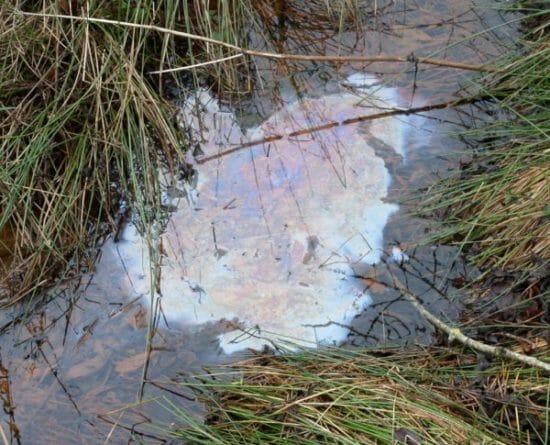
This course provides an introduction to oil wastewater collection and distribution. Oily wastewater typically is found aboard ships, and at seaports, airports, fuel farms, and industrial facilities. Section 311(b)(3) of the FWPCA prohibits the discharge of oil in harmful quantities into or upon the navigable waters of the United States. As indicated in the Title 40 CFR Part 110, Discharge of Oil, discharges in quantities that violate applicable water quality standards and cause a visible sheen upon the water are considered harmful. Treatment of oil discharges or oily wastes is frequently required. Course Outline 1. OBJECTIVES 2. SOURCES 3. DISCHARGE CRITERIA 4. POINT SOURCE CONTROL 5. DISPOSAL OF OIL 6. EMERGENCY CONTAINMENT AND CLEANUP 7. OILY WASTEWATER CHARACTERISTICS 8. COLLECTION AND TRANSFER 9. OILY WASTEWATER TREATMENT 10. DESIGN CRITERIA FOR OIL-WATER SEPARATORS AND APPURTENANCES This is an introduction to methods of collecting and treating oily wastewater so it will be suitable for discharge to a publically owned treatment works or waterway.
Learning Objectives
At the successful conclusion of this course, you’ll be able to identify and discuss:- Learn about oily wastewater collection and treatment aboard ships and at seaports;
- Learn about typical oily wastewater effluent characteristics;
- Learn methods of point source control;
- Learn how to dispose of oily waste and sludge that results from collection and treatment;
- Learn how to estimate oily wastewater quantities generated at seaports;
- Learn about shoreside collection systems; and
- Learn about chemical treatment systems and methods,
ACCEPTANCE GUARANTEE
Ncite Engineering Hub engineering courses & live webinars meet NCEES Guidelines for Professional Engineer licenses renewal in all 50 states.

Live Webinars satisfy strict “Live Contact Hour” state mandates.
100% money-back State Board Acceptance Guarantee
Ncite Engineering Hub will refund your payment if the PDH credits you earn are rejected by your state board for any reason.
Ethics Courses

E – 3024 Indiana Statutes and Rules for Professional Engineers 2024-2026 Bienniumby Mark P. Rossow, PhD, P.E.

E – 1934 Engineering Ethics: “Hold Safety Paramount” to Prevent Loss of Life, and the Case of Columbia Shuttle Disasterby Dr. Abolhassan Astaneh-Asl, Professor Emeritus. Ph.D., PE

E – 1322 – Indiana Statutes and Rules Applicable to the Practice of Professional Engineeringby Mark P. Rossow, PhD, P.E.

E – 1736 Ethics and the Engineer – Food for Thoughtby Professor Roger Messenger, Ph.D., P.E.
Once completed, your order and certificate of completion will be available in your profile when you’re logged in to the site.