




No data found for Custom Course Number
No data found for Custom Course Units
Intended Audience: Architecture, Civil & Environmental Engineers
PDH UNITS: 2
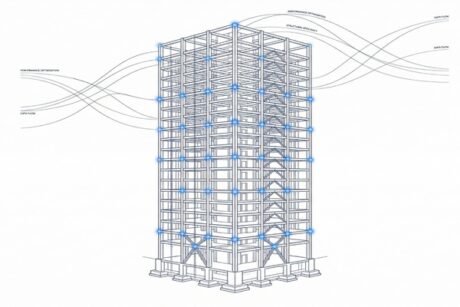
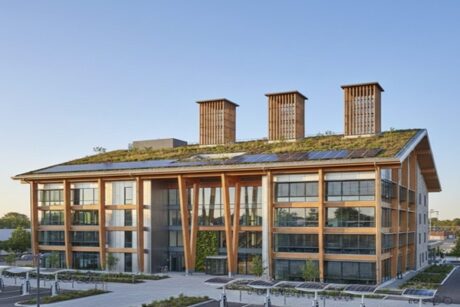
“AI Applications in Sustainable Architecture” is a comprehensive continued education course designed for professionals seeking to integrate artificial intelligence into their sustainable design and construction practices. This course explores the transformative potential of AI in addressing critical environmental challenges within the built environment, from optimizing energy performance and material selection to enhancing urban resilience and smart building operations.
Learning Objectives:
At the successful conclusion of this course, you will learn the following knowledge and skills:- Understand the fundamental concepts of Artificial Intelligence and its specific applications within sustainable architecture.
- Identify and evaluate AI-driven tools for environmental analysis, including energy modeling, carbon footprint assessment, and climate adaptation strategies.
- Apply generative design principles and parametric optimization techniques facilitated by AI to create high-performance, sustainable building forms.
- Integrate AI into Building Information Modeling (BIM) workflows for automated compliance checks, construction planning, and facility management.
- Explore the role of AI in smart building systems, digital twins, and sustainable urban planning initiatives.
- Analyze the ethical implications, data privacy concerns, and future trends shaping the intersection of AI and sustainable architecture.
ACCEPTANCE GUARANTEE
Ncite Engineering Hub engineering courses & live webinars meet NCEES Guidelines for Professional Engineer licenses renewal in all 50 states.

Live Webinars satisfy strict “Live Contact Hour” state mandates.
100% money-back State Board Acceptance Guarantee
Ncite Engineering Hub will refund your payment if the PDH credits you earn are rejected by your state board for any reason.
Ethics Courses

E – 1140 – Engineering Ethics Guidelines for Professional Conductby Mark P. Rossow, PhD, P.E.

E – 1726 New Mexico Administrative Code for Professional Engineers, Title 16, Chapter 39by Mr. D. Allen Hughes, PE

E – 2020 Engineering Ethics — Case Studies in Fraudulent Safety Claimsby Mark P. Rossow, PhD, P.E.

E – 1975 Indiana Statutes and Rules for Professional Engineers 2022-2024 Bienniumby Mark P. Rossow, PhD, P.E.
Once completed, your order and certificate of completion will be available in your profile when you’re logged in to the site.