

No data found for Custom Course Number
No data found for Custom Course Units
Intended Audience: Civil, Environmental and chemical Engineers and solid waste landfill managers and operators.
PDH UNITS: 3
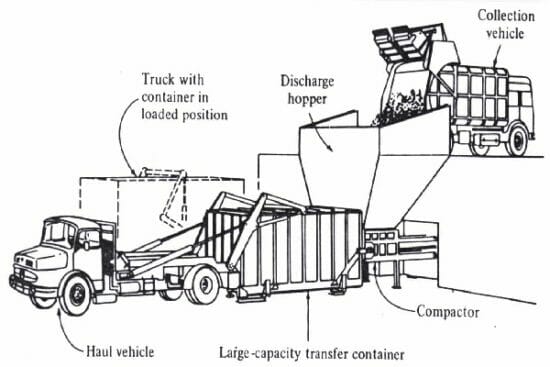
In this course, the participant will learn how and where solid wastes are generated in a modern technological society, as well as how to store, collect and treat solid wastes. You’ll learn methods for reducing solid waste generation and how to reuse, recycle and recover energy from solid wastes. The participants will also learn methods for estimating the quantity and composition of solid wastes. The course is designed with the outlines of Introduction to waste management, Definition and types of solid waste from technical and regulatory points of view, Characteristics of solid waste, Generation rate of solid waste in different regions and climate, Process for storage, collection, treatment, disposal procedures, and perspectives. The course includes the solution of a few sample problems related to moisture content, density, and energy content determination for mixed solid waste.
Learning Objectives:
At the successful conclusion of this course, you will learn the following knowledge and skills:- How and where solid wastes are generated in a technological society
- Materials that are most commonly recovered from solid wastes
- Three general categories of solid waste
- Waste management hierarchy ranging from most to least desirable options
- Individual components of typical municipal solid waste
- Typical organic composition of residential refuse
- Why size of the component materials in solid wastes is of importance in the recovery of materials
- Typical moisture content and density of MSW components
- The four critical properties to know when solid wastes are to be used as fuel
- How to calculate the estimated energy content of a solid-waste sample
- Inert residue and energy content of municipal solid wastes
- Definition and types of solid waste from technical and regulatory points of view
- Per capita solid waste generation rates
- Trends in MSW generation rates
- Solid waste quantity estimation methods
ACCEPTANCE GUARANTEE
Ncite Engineering Hub engineering courses & live webinars meet NCEES Guidelines for Professional Engineer licenses renewal in all 50 states.
Live Webinars satisfy strict “Live Contact Hour” state mandates.
100% money-back State Board Acceptance Guarantee
Ncite Engineering Hub will refund your payment if the PDH credits you earn are rejected by your state board for any reason.

Ethics Courses

E – 3124 Engineering Ethics in the Age of AIby Dr Jeelan Moghraby, PhD., MBA

E – 1693 Structure Inspection, Procedure & Ethicsby Mr. Joseph Chaiban, P.E., SI.JD.

E – 1206 Ethical Issues – Tacoma Narrows Bridge Collapseby Mr. J. Paul Guyer, P.E., R.A.

E – 2040 Engineering Ethics: “Hold Safety Paramount” to Prevent Loss of Life – the Case of the Ford Pinto Firesby Dr. Abolhassan Astaneh-Asl, Professor Emeritus. Ph.D., PE
Once completed, your order and certificate of completion will be available in your profile when you’re logged in to the site.