



No data found for Custom Course Number
No data found for Custom Course Units
Intended Audience: architects and engineers wanting an introduction to certain aspects of architectural design of concert halls and theatres.
PDH UNITS: 3
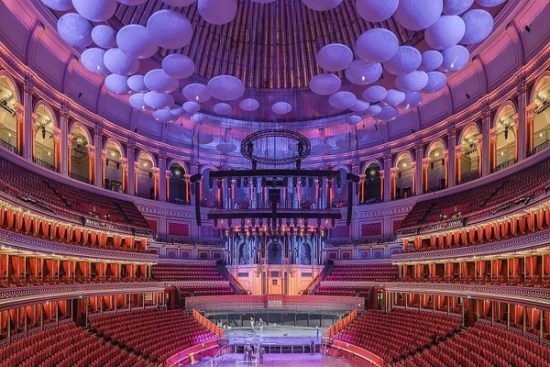
This publication provides an introduction to certain aspects of the architectural design of theaters and concert halls. This volume discusses theater lighting, scenery and soft goods, and rigging and stage mechanisms. Topics discussed include audience access, functional parameters, life safety and accident prevention, scenery placement, horizontal and vertical movement, HVAC systems and illumination. This publication is one of four in this series dealing with different aspects of the architectural design of concert halls and theaters.
Course Outline 1. INTRODUCTION 2. THEATER LIGHTING 3. SCENERY AND SOFTGOODS 4. RIGGING AND STAGE MECHANISMSThis course will give architects and engineers an introduction to lighting, scenery, soft goods and rigging considerations in theater and concert hall design.
Learning Objectives
At the successful conclusion of this course, you’ll be able to identify and discuss:- Learn about technical information and equipment requirements for the construction and operation of Music and Drama Centers;
- Learn about overstage positions for theater lighting;
- Learn how to employ proscenium and balcony lighting;
- Learn how followspots and projectors are used in stage productions;
- Learn about lighting control systems;
- Learn how to manage movable scenery;
- Learn about the function and operation of traps;
- Learn the fundamentals of stage rigging;
- Learn how to manage control center equipment; and
- Learn about the installation and operation of stage curtains.
ACCEPTANCE GUARANTEE
Ncite Engineering Hub engineering courses & live webinars meet NCEES Guidelines for Professional Engineer licenses renewal in all 50 states.
Live Webinars satisfy strict “Live Contact Hour” state mandates.
100% money-back State Board Acceptance Guarantee
Ncite Engineering Hub will refund your payment if the PDH credits you earn are rejected by your state board for any reason.

Ethics Courses

E – 1728 New Jersey Statutes and Rules for Professional Engineersby Mr. D. Allen Hughes, PE

E – 1408 – South Carolina Laws & Regulations for Professional Engineersby Mark P. Rossow, PhD, P.E.

E – 1869 Engineering Ethics: “Avoid Deceptive Acts” and the Case of MacArthur Maze Fire Collapseby Dr. Abolhassan Astaneh-Asl, Professor Emeritus. Ph.D., PE

E – 1726 New Mexico Administrative Code for Professional Engineers, Title 16, Chapter 39by Mr. D. Allen Hughes, PE
Once completed, your order and certificate of completion will be available in your profile when you’re logged in to the site.


E - 1906 Market Analysis of Electric Vehicles
E - 1892 Failure Causes of Structures
E - 1904 Thermal Insulation and Refractory Material
E - 1891 Steel Bridges- Redundancy in Design
E - 1483 Water Cooling Towers
E - 1110 Ponds – Planning, Design, and Construction
E - 1913 Energy Saving in Pump, Fan and Cooling Tower
E - 1893 Structural Design of Bridges Against Vehicular Collision
E - 1901 The Potential for Electrons to Molecules Using Solar Energy
E - 1472 Carrier; Refrigeration Cycle
E - 1480 In Situ Treatment of Hazardous Soil
E - 1124 Fuel Cells–Green Power
E - 1366 Cathodic Protection Sacrificial Anode
E - 1912 Waste Heat Recovery
E - 1896 Engineering Ethics: “Hold Safety Paramount” to Prevent Loss of Life, and the Case of Challenger Shuttle Disaster
E - 2029 Manufacturing Engineering - Metal Forming
E - 1490 Electrical Substation Auxiliary and Control Systems
E - 1831 Green Buildings HVAC - Energy Saving Tips (PART 1)