


No data found for Custom Course Number
No data found for Custom Course Units
Intended Audience: Mechanical & Power Engineers.
PDH UNITS: 3
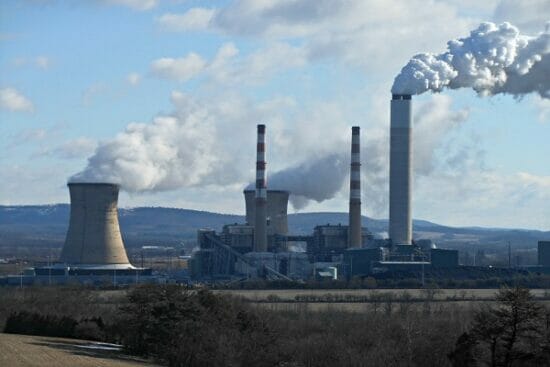
Even though more utilities and customers utilize renewable energy, the fact is that most power consumed is still generated at power plants. The main function of a power plant is to generate electricity. There are several types of power plants. Nuclear plants utilize uranium and fossil plants utilize coal, oil, or natural gas as their fuel source. Hydro plants utilize water as their drivers. In this course, you'll learn about the major components of a non-hydro power plant, which utilizes a boiler, condenser, turbine, and generator. In Power Plants 101: Boilers, Turbines, and Environmental Considerations, you'll learn ...
- How the steam cycle is used to generate electricity
- Boiler Components and Theory of Operation
- Turbine design considerations, including speed, startup, shutdown, and control
- Power plant environmental considerations.
Learning Objectives:
At the successful conclusion of this course, you will learn the following knowledge and skills:- The power triangle
- Components of the power generation and transmission system
- Energy conversion principles
- The steam cycle
- Boiler design considerations, including circulation and steam flow control
- Turbine design considerations
- Condenser design considerations
- Combustion theory and operation
- Methods to reduce stack emissions
ACCEPTANCE GUARANTEE
Ncite Engineering Hub engineering courses & live webinars meet NCEES Guidelines for Professional Engineer licenses renewal in all 50 states.

Live Webinars satisfy strict “Live Contact Hour” state mandates.
100% money-back State Board Acceptance Guarantee
Ncite Engineering Hub will refund your payment if the PDH credits you earn are rejected by your state board for any reason.

Ethics Courses

E – 1392 Texas Laws and Board Rules for Professional Engineersby Mr. D. Allen Hughes, PE

E – 1980 Engineering Ethics—Case Studies in Espionageby Mark P. Rossow, PhD, P.E.

E – 1673 How to Interview to Win Engineering Projects – Ethical Implicationsby Dr. David Williams. PhD, PE, PH, CFM, F.ASCE, CPESC, D.WRE

E – 1865 Engineering Ethics: The Cases of Challenger and Columbia Shuttle Disasters; “Hold Safety Paramount” to Prevent Loss of Lifeby Dr. Abolhassan Astaneh-Asl, Professor Emeritus. Ph.D., PE
Once completed, your order and certificate of completion will be available in your profile when you’re logged in to the site.