
No data found for Custom Course Number
No data found for Custom Course Units
Intended Audience: civil, mechanical and environmental engineers and other design and construction professionals
PDH UNITS: 3
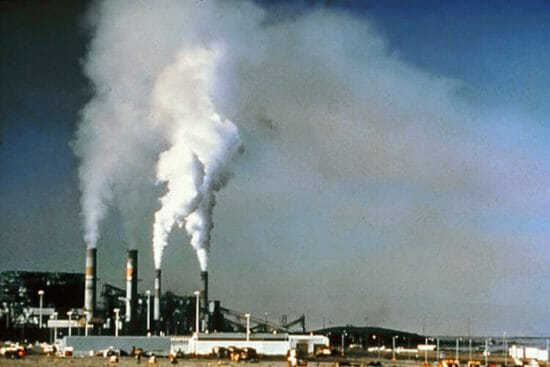
This course will introduce you to requirements and strategies for pollution control and compliance with environmental regulations for steam powered electric generating plants. Included are discussions of air, water and oil spill control, solid waste, and relevant environmental regulations and the permitting processes. Course Outline 1. AIR QUALITY CONTROL 2. WATER QUALITY CONTROL 3. OIL SPILL CONTROL 4. SOLID WASTE DISPOSAL 5. ENVIRONMENTAL REGULATIONS AND PERMITTING This course will give civil, environmental and mechanical engineers and others an introduction to the terminology, fundamentals and methodologies for pollution control, regulations and permitting for steam power plants.
Learning Objectives
At the successful conclusion of this course, you’ll be able to identify and discuss:- Learn about defined air pollutants and their emission limits under federal law;
- Learn about air pollution control equipment, monitoring and reporting;
- Learn how chemical wastewater may be handled;
- Learn about recycle basins and reclaim ponds;
- Learn about oil spill containment and diversionary structures or equipment to prevent discharged oil from reaching a navigable watercourse;
- Learn about management of solid wastes such as fly and bottom ash, and coal pulverization rejects;
- Learn about the National Ambient Air Quality Standards (NAAQS);
- Learn about the federal Clean Air Act (CAA); and
- Learn about water pollution control regulations and permitting requirements.
ACCEPTANCE GUARANTEE

Ncite Engineering Hub engineering courses & live webinars meet NCEES Guidelines for Professional Engineer licenses renewal in all 50 states.
Live Webinars satisfy strict “Live Contact Hour” state mandates.
100% money-back State Board Acceptance Guarantee
Ncite Engineering Hub will refund your payment if the PDH credits you earn are rejected by your state board for any reason.
Ethics Courses

E – 1673 How to Interview to Win Engineering Projects – Ethical Implicationsby Dr. David Williams. PhD, PE, PH, CFM, F.ASCE, CPESC, D.WRE

E – 1193 – Ethical Issues in Design Buildby Mr. J. Paul Guyer, P.E., R.A.

E – 1445 Texas Engineering Practice Act and Rules Ch. 137by Mark P. Rossow, PhD, P.E.

E – 1980 Engineering Ethics—Case Studies in Espionageby Mark P. Rossow, PhD, P.E.
Once completed, your order and certificate of completion will be available in your profile when you’re logged in to the site.