
No data found for Custom Course Number
No data found for Custom Course Units
Intended Audience: Civil, Building Engineers & Architects.
PDH UNITS: 2
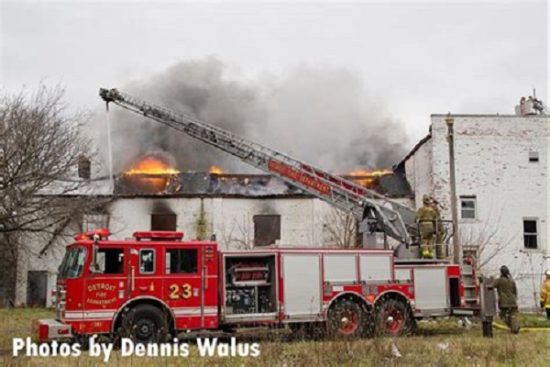
The 2016 edition of the ASCE/SEI 7 standard commences a new and groundbreaking industry-consensus standard of care for structural fire protection in the U.S., and other adopting jurisdictions. The default option is termed standard fire resistance design, and is based on a long-standing empirical indexing system that excludes consideration of realistic thermal demands and structural system response. The only permitted alternative to standard fire resistance design is structural fire engineering, as constituted in the new Appendix E. Structural fire engineering explicitly evaluates the demand and capacity of structural systems under fire loading in a similar manner as other design loads are treated in structural engineering practice. Due to common misconceptions and lack of industry guidance, designers often erroneously intermingle these two approaches in order to justify structural fire protection variances. In order to combat this poor practice, recent industry efforts in the U.S. have focused on formally bifurcating these two design options and providing specific requirements for the structural fire engineering approach.
Learning Objective:
At the successful conclusion of this course, you will learn the following knowledge and skills:- Understand the two design options for structural fire protection design.
- Understand the basis of structural fire resistance ratings.
- Understand the basics of structural fire engineering.
- Understand new industry standards for structural fire protection.
ACCEPTANCE GUARANTEE

Ncite Engineering Hub engineering courses & live webinars meet NCEES Guidelines for Professional Engineer licenses renewal in all 50 states.
Live Webinars satisfy strict “Live Contact Hour” state mandates.
100% money-back State Board Acceptance Guarantee
Ncite Engineering Hub will refund your payment if the PDH credits you earn are rejected by your state board for any reason.
Ethics Courses

E – 1703 Handling Ethical Issues in Professional Engineering Practice in FLby Mr. Joseph Chaiban, P.E., SI.JD.

E – 1408 – South Carolina Laws & Regulations for Professional Engineersby Mark P. Rossow, PhD, P.E.

[Live Webinar] Engineering Ethics: Lessons from the Flint Water Crisis — When Public Safety Was Not Held Paramountby Dr. Abolhassan Astaneh-Asl, Professor Emeritus. Ph.D., PE

[Live Webinar] 7 Steps to Remedy Ethical Issues in Design-Buildby Mr. J. Paul Guyer, P.E., R.A.
Once completed, your order and certificate of completion will be available in your profile when you’re logged in to the site.