


Ncite Engineering Hub engineering courses & live webinars meet NCEES Guidelines for Professional Engineer licenses renewal in all 50 states.
$25.00
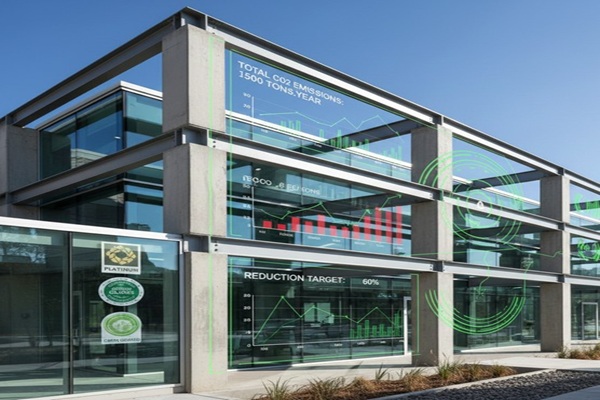
The building and construction sector is responsible for approximately 39 percent of global carbon dioxide emissions, with embodied carbon from construction materials and processes representing an increasingly significant proportion of a building’s total lifecycle carbon footprint. As operational energy efficiency improves through better building codes and renewable energy adoption, embodied carbon is becoming the dominant contributor to building-related emissions. This comprehensive course introduces building professionals to the fundamental principles, calculation methodologies, and practical strategies for quantifying and reducing embodied carbon in building projects.
By completing this course, you will gain practical insights into Life Cycle Assessment (LCA) frameworks, Environmental Product Declarations (EPDs), and whole building embodied carbon calculation methodologies. Research by the Carbon Leadership Forum indicates that embodied carbon typically represents 20 to 50 percent of a building’s total lifecycle emissions, increasing to 70 percent or more for high-performance net-zero energy buildings. The Intergovernmental Panel on Climate Change has emphasized that significant emissions reductions must occur within the next decade to limit global warming to 1.5 degrees Celsius, making embodied carbon reduction an urgent priority for the building industry.
This course bridges environmental science concepts with practical building applications, examining material-level carbon accounting, building system carbon contributions, calculation software tools, reduction strategies, and regulatory frameworks. You will learn how structural system selection can vary embodied carbon by 30 to 50 percent for equivalent buildings, how supplementary cementitious materials can reduce concrete embodied carbon by 30 to 40 percent, and how specification strategies can drive material suppliers toward lower-carbon production. Whether you are an architect, engineer, contractor, or sustainability professional, this course will equip you with the knowledge needed to quantify embodied carbon and implement reduction strategies in building projects.
Only logged in customers who have purchased this product may leave a review.
Reviews
There are no reviews yet.