

Ncite Engineering Hub engineering courses & live webinars meet NCEES Guidelines for Professional Engineer licenses renewal in all 50 states.
$25.00
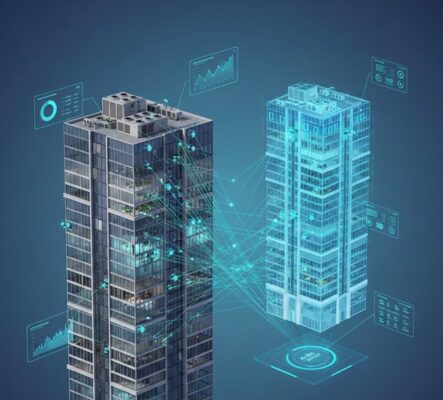
The convergence of digital modeling, sensor technology, and building automation has given rise to digital twin technology—one of the most transformative innovations in facility management. Digital twins create virtual representations of physical building assets connected through real-time data streams, enabling unprecedented visibility into building operations and creating opportunities for optimization that were previously impossible. This comprehensive course introduces building professionals to the technical foundations, implementation strategies, and practical applications of digital twin integration with building management systems.
By completing this course, you will gain practical insights into how digital twin platforms integrate with BMS infrastructure to enable data-driven decision making and proactive management strategies. Research by McKinsey Global Institute indicates that digital twin technology can reduce building operating costs by 10 to 25 percent while improving energy efficiency by 15 to 30 percent. The Construction Industry Institute reports that facilities leveraging digital twins for operations and maintenance experience 20 to 30 percent reductions in unplanned downtime and 25 to 35 percent improvements in maintenance labor productivity.
This course bridges the gap between operational technology and information technology, examining data architecture, sensor networks, interoperability standards, and security considerations essential for successful integration. You will learn practical approaches to energy optimization, predictive maintenance, occupant comfort management, and emergency response applications enabled by integrated digital twin systems. Whether you are a facility manager, building engineer, controls specialist, or technology professional, this course will equip you with the knowledge needed to evaluate, implement, and leverage digital twin integration for improved building performance.