This comprehensive course explores the transformative impact of artificial intelligence on architectural engineering, providing students with both theoretical foundations and practical applications across the building lifecycle. The course examines how AI technologies, from machine learning and computer vision to natural language processing and generative design, are revolutionizing how buildings are conceived, designed, constructed, and operated. Through a structured exploration of key application domains, students will develop critical understanding of both the capabilities and limitations of current AI systems in architectural contexts.
The course begins with fundamental AI concepts and the historical evolution of computational approaches in architecture, establishing a common vocabulary and conceptual framework. Building on this foundation, students explore AI-enhanced design processes including generative systems, multi-objective optimization, and human-AI collaborative frameworks that expand creative possibilities while maintaining human judgment. The integration of AI with Building Information Modeling is examined in depth, covering automated model generation, semantic enrichment, and predictive capabilities that transform static documentation into intelligent building representations.
Sustainable design applications receive particular attention, with detailed coverage of AI approaches to energy modeling, building envelope optimization, HVAC control, day-lighting analysis, and embodied carbon reduction. Construction applications demonstrate how AI enhances planning, resource optimization, quality control, risk management and cost estimation throughout the building delivery process. For existing buildings, students explore intelligent building management systems, occupancy analytics, environmental quality optimization, and predictive maintenance strategies that improve operational performance.
The course extends beyond building scale to examine urban applications—data analytics, transportation modeling, infrastructure planning, and climate resilience strategies that leverage AI to address complex urban challenges. Technical implementation is complemented by thorough examination of ethical considerations including data privacy, professional liability, employment impacts, equity concerns, transparency requirements, and the fundamental balance between automation and human creativity.
By course completion, students will possess both theoretical understanding and practical knowledge necessary to evaluate, implement and responsibly apply AI technologies in architectural engineering practice. Whether preparing for immediate application of existing tools or anticipating emerging technologies, students will develop the critical thinking skills needed to navigate this rapidly evolving technological landscape while maintaining architectural practice’s core values and responsibilities.


 E - 2082 Pressure Loss in Plumbing Systems: Measurement and Analysis
1 × $100.00
 E - 2082 Pressure Loss in Plumbing Systems: Measurement and Analysis
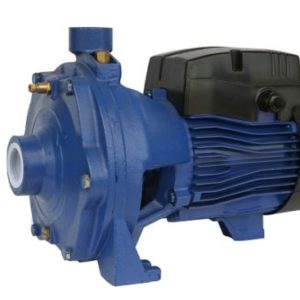 E - 1125 Centrifugal and Positive Displacement Pump Basics
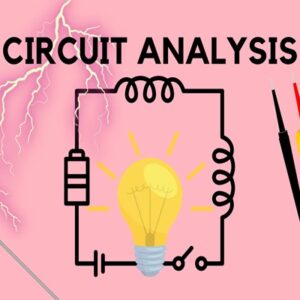 E - 3142 Loop Method of Circuit Analysis
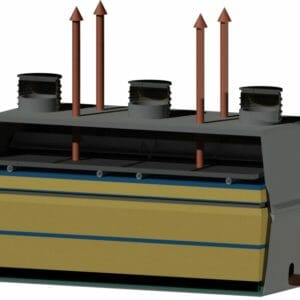 E - 1104 Domestic Wastewater Treatment Overview
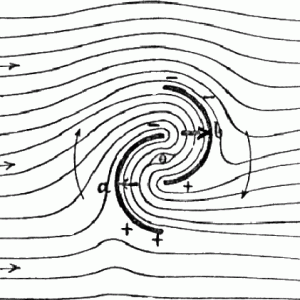 E - 1107 Fundamentals of Fluid Flow
 E - 1112 Package Plants for Wastewater Treatment
 E - 1131 Hazardous Waste Identification
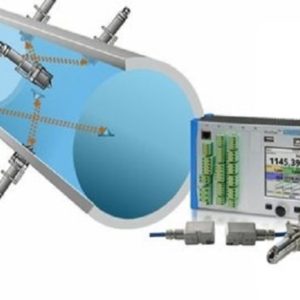 E - 1105 Flow Measurement in Pipes and Ducts
 E - 1103 Hydraulic Design of Storm Sewers with Excel