



No data found for Custom Course Number
No data found for Custom Course Units
Intended Audience: civil, construction, mechanical, and mining engineers
PDH UNITS: 1
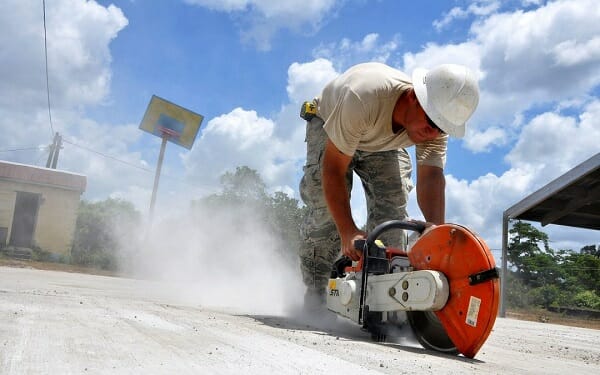
Respirable crystalline silica is particularly hazardous for workers, yet previous permissible exposure limits for silica determined by the Occupational Safety and Health Administration (OSHA) are based on research from the 1960s or earlier that don't reflect more recent scientific evidence. Given the current hazard level, current research and real-life case studies strongly suggest that the previous silica exposure limits fail to adequately protect worker health. So what controls and work practices can be implemented to reduce worker exposure to silica dust? Prepared by Dr. Rossow, the present course provides a brief overview of the OSHA 2017 Silica Rule, including recommended controls and work practices to reduce silica exposure. This online engineering PDH course is based on the publications: OSHA Frequently Asked Questions: Respirable Crystalline Silica Rule; Assigned Protection Factors for the Revised Respiratory Standard, OSHA Publication 3352-02, 2009 (excerpts); and OSHA's Final Rule to Protect Workers from Exposure to Respirable Crystalline Silica, Construction Standard, §1926.1153 Respirable crystalline silica. Table 1. (excerpts).
Learning Objectives
At the successful conclusion of this course, you’ll be able to identify and discuss:- Health impacts of crystalline silica
- Need for a silica rule
- Impacts on industry
- Rule requirements
- Compliance dates
- State plans and compliance assistance
ACCEPTANCE GUARANTEE
Ncite Engineering Hub engineering courses & live webinars meet NCEES Guidelines for Professional Engineer licenses renewal in all 50 states.
Live Webinars satisfy strict “Live Contact Hour” state mandates.
100% money-back State Board Acceptance Guarantee
Ncite Engineering Hub will refund your payment if the PDH credits you earn are rejected by your state board for any reason.

Ethics Courses

E – 1712 Expert Witness; What every Engineer needs to know !by Dr. David Williams. PhD, PE, PH, CFM, F.ASCE, CPESC, D.WRE

E – 1980 Engineering Ethics—Case Studies in Espionageby Mark P. Rossow, PhD, P.E.

E – 1322 – Indiana Statutes and Rules Applicable to the Practice of Professional Engineeringby Mark P. Rossow, PhD, P.E.

E – 1432 Illinois Laws and Board Rules for Professional Engineersby Mr. D. Allen Hughes, PE
Once completed, your order and certificate of completion will be available in your profile when you’re logged in to the site.