
No data found for Custom Course Number
No data found for Custom Course Units
Intended Audience: engineers concerned with the reclamation and use of environmentally challenging sites
PDH UNITS: 3
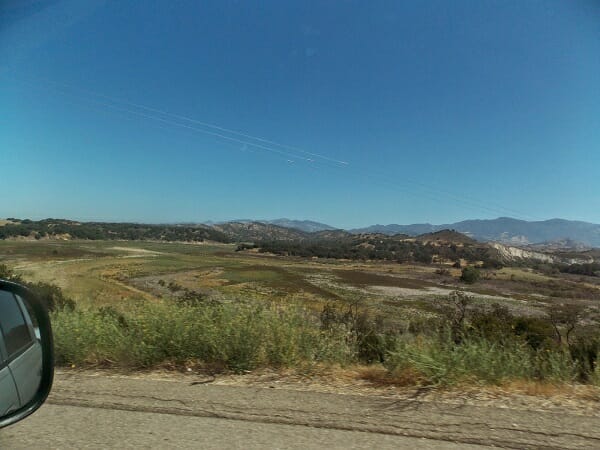
Get insight into how you can go from limbo lands to energy-generating stations in our online course designed by Dr. Mark P. Rossow, Ph.D., P.E. What's the potential for using “Limbo Lands” as sites for renewable energy generating stations? Limbo lands are underused and formerly contaminated sites including former Superfund sites, landfills, brownfields, abandoned mine lands, former industrial sites, and certain government installations. This online course describes how you can repurpose limbo lands to energy-generating stations. The types of limbo lands that are ready for redevelopment are covered as well as their feasibility with renewable energy technologies (RETs). In particular, this course discusses:
- Reasons for considering RETs (and which ones in particular) as a redevelopment option on limbo lands
- The geographic screening process
- High-potential limbo land sites for RET redevelopment
- Brownfields and abandoned mine lands as two specific types of limbo lands
- Conclusions and recommendations for transforming limbo lands to energy-generating stations
Learning Objectives
At the successful conclusion of this course, you’ll be able to identify and discuss:- Reasons for considering RETS as a redevelopment option on limbo lands
- Process for geographic screening of limbo lands
- Identification of high-potential limbo lands for redevelopment using RETS
- Wind power considerations and resource availability
- Solar power
- Biomass
- Other types of limbo lands including brownfields and abandoned mine lands
ACCEPTANCE GUARANTEE

Ncite Engineering Hub engineering courses & live webinars meet NCEES Guidelines for Professional Engineer licenses renewal in all 50 states.
Live Webinars satisfy strict “Live Contact Hour” state mandates.
100% money-back State Board Acceptance Guarantee
Ncite Engineering Hub will refund your payment if the PDH credits you earn are rejected by your state board for any reason.
Ethics Courses

E – 1392 Texas Laws and Board Rules for Professional Engineersby Mr. D. Allen Hughes, PE

[Live Webinar] Learning from Bridge Failure: Ethical Issues from Tacoma Narrows Collapseby Mr. J. Paul Guyer, P.E., R.A.

E – 1726 New Mexico Administrative Code for Professional Engineers, Title 16, Chapter 39by Mr. D. Allen Hughes, PE

E – 3024 Indiana Statutes and Rules for Professional Engineers 2024-2026 Bienniumby Mark P. Rossow, PhD, P.E.

Once completed, your order and certificate of completion will be available in your profile when you’re logged in to the site.