


No data found for Custom Course Number
No data found for Custom Course Units
Intended Audience: All Engineers.
PDH UNITS: 2
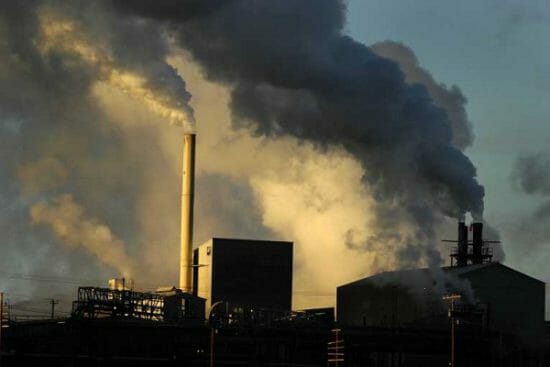
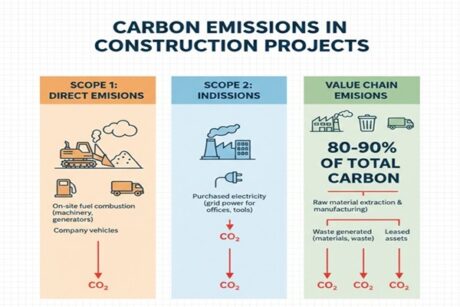
Greenhouse gases (GHG) emissions have become an integral part of managing a facility, tracking performance and maintaining compliance with applicable laws and regulations. Mandatory reporting of GHG emissions is required for certain facilities by the United States Environmental Protection Agency plus eighteen states. In addition, there are numerous voluntary reporting programs in North America and globally where facilities can disclose their GHG emissions to demonstrate good citizenship or to fulfill a corporate mandate. This course provides an introduction to GHGs - some background information on climate change plus basic definitions, technical concepts and typical equipment that emits GHGs. Engineers need to have a basic understanding of GHGs in order to calculate, track and report their facility's GHG emissions. The course materials are based upon General Reporting Protocol V2.1 (The Climate Registry, January 2016) available at: https://www.theclimateregistry.org/wp-content/uploads/2014/11/General-Reporting-Protocol-Version-2.1.pdf
Learning Objectives:
At the successful conclusion of this course, you will learn the following knowledge and skills:- What is a GHG and how does it relate to climate change?
- What are the most common GHGs?
- Which processes and operations produce them?
- What is global warming potential (GWP)?
- Why do reporters use carbon dioxide equivalents (CO2e) for reporting?
- Where are some of the places where GHG reporting is required or voluntary?
ACCEPTANCE GUARANTEE
Ncite Engineering Hub engineering courses & live webinars meet NCEES Guidelines for Professional Engineer licenses renewal in all 50 states.
Live Webinars satisfy strict “Live Contact Hour” state mandates.
100% money-back State Board Acceptance Guarantee
Ncite Engineering Hub will refund your payment if the PDH credits you earn are rejected by your state board for any reason.

Ethics Courses

E – 1934 Engineering Ethics: “Hold Safety Paramount” to Prevent Loss of Life, and the Case of Columbia Shuttle Disasterby Dr. Abolhassan Astaneh-Asl, Professor Emeritus. Ph.D., PE

E – 2057 Modern Sensors – Detecting Physical Conditionsby Mr. Don Parnell, PE

E – 1446 Texas Engineering Practice Act and Rules Ch. 139by Mark P. Rossow, PhD, P.E.

E – 1408 – South Carolina Laws & Regulations for Professional Engineersby Mark P. Rossow, PhD, P.E.
Once completed, your order and certificate of completion will be available in your profile when you’re logged in to the site.