



No data found for Custom Course Number
No data found for Custom Course Units
Intended Audience: Environment, civil, and mechanical engineers
PDH UNITS: 2
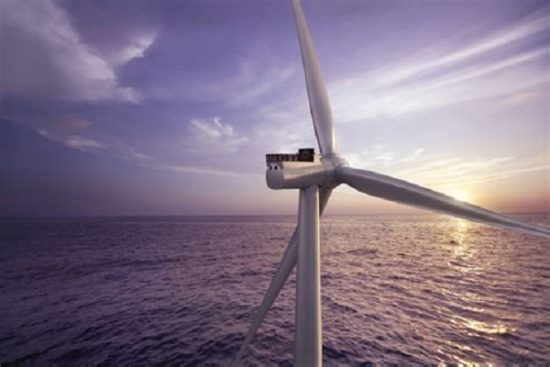
The content of this course is a document written by Mary Rock and Laura Parsons at The Environmental and Energy Study Institute (EESI). Permission to use this document has been provided by EESI. This course introduces the basic principles of proposed US offshore wind facilities. The course summarizes a study conducted by EESI of existing European and Asian offshore wind farms, and potential visitors to and residents of likely US offshore wind farm sites. Although land-based wind turbines are prevalent in the United States, there are no offshore wind farms in U.S. waters. The topics addressed include technical issues related to marine foundations and structures, transmission issues unique to offshore power generation, political and regulatory issues related to offshore and state jurisdictions in coastal areas and public perceptions of proposed offshore wind farms. Offshore wind turbines harness the energy of ocean winds and turn it into electricity. Although land-based wind turbines are prevalent in the United States, there are no offshore wind farms in U.S. waters. However, projects are under development in the wind-rich areas of the East Coast, Great Lakes, and Pacific Coast. Offshore wind energy can help meet multiple state and national goals, including reducing energy imports, reducing air pollution and greenhouse gas emissions, meeting renewable electricity standards, and creating jobs and local business opportunities. This course demonstrates that offshore wind energy has been successfully implemented in other parts of the world and that the potential for wind farms in U.S. waters is favorable.
Learning Objectives
At the successful conclusion of this course, you’ll be able to identify and discuss:- Awareness of Existing European and Asian Offshore Wind Farms
- Awareness of the Basic Principles of Offshore Wind Energy
- Awareness of the Areas of the Geographic Areas of the United States that are Candidates for Offshore Wind Farm Locations
- Awareness of Public Concerns About Offshore Wind Farms Relating to Tourism, Property Values and Local Economies and Jobs
- Awareness of the Affects of Offshore Wind Farms on Navigation and Military Activities
- Awareness of the Affects of Offshore Wind Farms Commercial Fishing and, Birds and Bats
ACCEPTANCE GUARANTEE
Ncite Engineering Hub engineering courses & live webinars meet NCEES Guidelines for Professional Engineer licenses renewal in all 50 states.

Live Webinars satisfy strict “Live Contact Hour” state mandates.
100% money-back State Board Acceptance Guarantee
Ncite Engineering Hub will refund your payment if the PDH credits you earn are rejected by your state board for any reason.

Ethics Courses

E – 1725 Ethical Behavior;The 2005 Taum Sauk Dam Breachby Mark P. Rossow, PhD, P.E.

E – 2021 Engineering Ethics—Case Studies in Theft through Fraudby Mark P. Rossow, PhD, P.E.

E – 3019 Engineering Ethics: Ship and Bridge Collision; Ethics Violation Caused Six Deathsby Dr. Abolhassan Astaneh-Asl, Professor Emeritus. Ph.D., PE

E – 1980 Engineering Ethics—Case Studies in Espionageby Mark P. Rossow, PhD, P.E.
Once completed, your order and certificate of completion will be available in your profile when you’re logged in to the site.