


• No products in the cart.

Profile Photo

No data found for Custom Course Number

No data found for Custom Course Units

$50.00
$50.00

Intended Audience:: Construction, Civil, Transportation, Wastewater and Building Engineers

PDH UNITS: 2

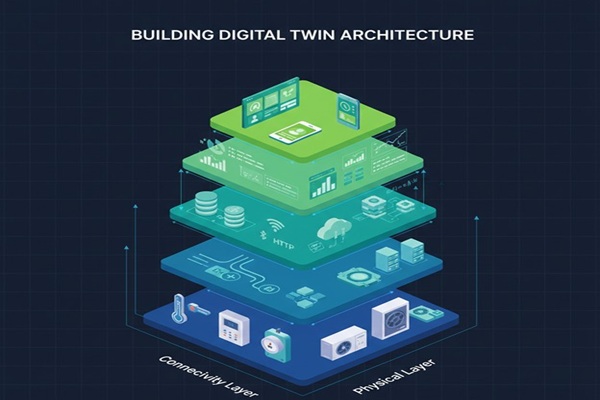
Digital twin technology represents one of the most significant advances in infrastructure asset management since the introduction of computerized maintenance management systems in the 1980s. A digital twin is a dynamic virtual representation of a physical infrastructure asset that uses real-time data, simulation capabilities, and analytical tools to mirror the behavior, performance, and condition of its physical counterpart throughout its operational lifecycle. This comprehensive course introduces infrastructure professionals to the technical foundations, practical applications, and implementation strategies for digital twin technology across bridges, water systems, transportation networks, and building portfolios.

By completing this course, you will gain practical insights into how digital twins transform infrastructure management. Research indicates that well-implemented digital twin programs can reduce maintenance costs by 20 to 35 percent, decrease equipment downtime by 25 to 40 percent, and extend asset service life by 15 to 25 percent compared to traditional asset management approaches. Whether you are an infrastructure owner, facility manager, civil engineer, or technology professional, this course will equip you with the knowledge needed to evaluate, implement, and optimize digital twin solutions.

Course Benefits
  • Gain comprehensive understanding of digital twin technology and applications
  • Learn practical implementation strategies from industry best practices
  • Understand sensor deployment, data integration, and analytics approaches
  • Explore case studies from bridges, water systems, and transportation networks
  • Prepare for future technology trends in infrastructure management
  • Enhance professional credentials with specialized knowledge
  • Flexible learning format accommodates busy professional schedules
Target Audience This course is designed for:
  • Civil engineers and infrastructure engineers
  • Facility managers and asset managers
  • Transportation engineers and bridge engineers
  • Water and wastewater system professionals
  • Building automation and controls engineers
  • Construction technology professionals
  • Government infrastructure officials and planners

Learning Objectives:

At the successful conclusion of this course, you will learn the following knowledge and skills:
  • Define digital twin technology and explain how it differs from traditional Building Information Modeling (BIM), including the role of real-time data integration, IoT sensors, and predictive analytics.
  • Describe the business case for digital twin implementation, including quantifiable benefits such as maintenance cost reduction, asset life extension, and enhanced risk management capabilities.
  • Identify core technologies enabling digital twins including IoT sensor networks, cloud computing platforms, data integration architectures, and visualization systems.
  • Explain data collection methodologies for digital twin development including laser scanning, photogrammetry, and Building Information Model creation from survey data.
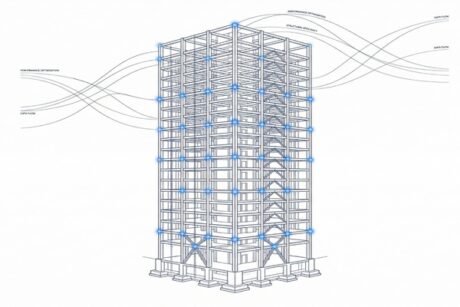
  • Describe sensor deployment strategies for structural health monitoring, including sensor types and installation considerations for infrastructure applications.
  • Apply structural health monitoring analytics including statistical process control, modal analysis, and machine learning approaches for condition assessment.
  • Explain predictive maintenance algorithms including remaining useful life prediction and maintenance optimization approaches.
  • Describe infrastructure-specific digital twin applications for bridges, water systems, and transportation networks.
  • Identify implementation challenges including organizational change management, data quality requirements, and cybersecurity considerations.
  • Evaluate emerging technologies including AI advances, edge computing, and 5G networks and their impact on future digital twin capabilities.

Course No E - 3117
PDH Units: 2
Copyright 2025 · All Rights Reserved. Ncite Engineering Hub, LLC 513 E- Main Street # 981 Charlottesville, VA 22902 USA