
No data found for Custom Course Number
No data found for Custom Course Units
Intended Audience: Electrical & Energy Engineers.
PDH UNITS: 7
Distributed Energy Resources (DERs), mainly solar, wind, and energy storage are the next big thing. DERs have been competing with traditional generation, i.e. fossil fuel and nuclear power plants. As the price of DERs continues to decline, more DERs will be added to the grid. Also, as utilities and cities transition to 100% clean and renewable energy systems, more DERs will be connected to the distribution and transmission system. As a result, it is essential to understand the grid impact.
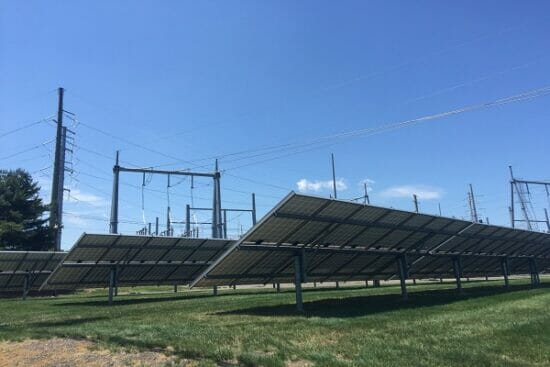
This course highlights the impact of Distributed Energy Resources (DERs), mainly solar, on the distribution electric grid and on the transmission system under normal and emergency conditions, highlighting the difference between the impact during sunny and cloudy days. Before discussing the impact of DERs, we will briefly describe the electric system and key components that get impacted by DERs.
Many are employed in the renewable field, directly or indirectly, whether promoting/selling DERs or finding ways to mitigate their impact on the electric system. In this course, you will learn about the electric system, from generation to distribution, various DERs, the technical impact on generation, transmission and distribution systems – the biggest of which is the voltage impact on the distribution & transmission system and means to mitigate those issues. You will also learn about power load flow, power factor mitigation methods, per-unit system, solar irradiance, relays and various distribution systems.
In the Distributed Energy Resources Grid Impact - Solar course, you'll learn ...
- Power generation and transmission basics
- Real power and reactive power equations
- How to mitigate voltage disturbances caused by DERs
- Distribution system types, advantages and disadvantages
Learning Objectives:
At the successful conclusion of this course, you will learn the following knowledge and skills:- Components of a typical electrical distribution system
- Characteristics of conductors and insulators
- Components and key functions of a substation
- Managing load fluctuations
- The Power Triangle
- Types of transformers
- Transformer voltage control
- The purpose of capacitor banks
- Circuit protection methods
- DERs’ impact to the grid
ACCEPTANCE GUARANTEE

Ncite Engineering Hub engineering courses & live webinars meet NCEES Guidelines for Professional Engineer licenses renewal in all 50 states.
Live Webinars satisfy strict “Live Contact Hour” state mandates.
100% money-back State Board Acceptance Guarantee
Ncite Engineering Hub will refund your payment if the PDH credits you earn are rejected by your state board for any reason.
Ethics Courses

E – 1209 – Ethical Issues – Kansas City Hyatt Hotel Collapseby Mr. J. Paul Guyer, P.E., R.A.

E – 1982 Illinois Statutes and Rules for Structural Engineeringby Mark P. Rossow, PhD, P.E.

E – 1726 New Mexico Administrative Code for Professional Engineers, Title 16, Chapter 39by Mr. D. Allen Hughes, PE

E – 1771 Climate Change: Facts & Solutions; An Ethical Challenge For Engineers and Architectsby Professor Roger Messenger, Ph.D., P.E.
Once completed, your order and certificate of completion will be available in your profile when you’re logged in to the site.
Course No E - 1986
PDH Units: 7