



No data found for Custom Course Number
No data found for Custom Course Units
Intended Audience: civil, electrical, environmental, mechanical, and municipal engineers
PDH UNITS: 3
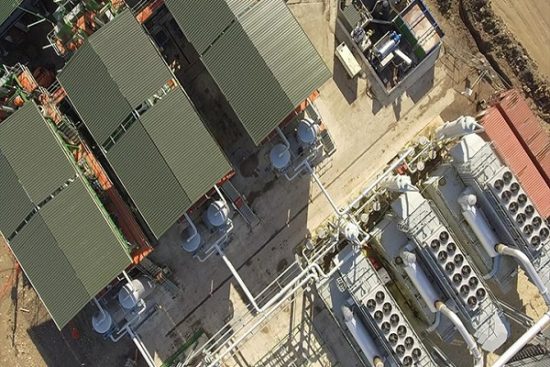
How can local governments use on-site renewable energy generation technologies to reduce greenhouse gas (GHG) emissions? Get the latest on how to improve air quality and energy security with on-site renewable energy generation in our featured online course. Renewable energy resources, such as solar, wind, biomass, hydropower, and landfill gas, reduce GHG emissions by replacing fossil fuels. Renewables also reduce emissions of conventional air pollutants (e.g. sulfur dioxide) that result from fossil fuel combustion. Our comprehensive course developed by Dr. Mark P. Rossow, Ph.D., P.E. DR. MARK P. ROSSOW, Ph.D., P.E. examines technologies and applications for on-site renewable energy generation. Real-world examples of communities in which these technologies have been successfully implemented are also presented. The information in this engineering, online, PDH-approved course adheres to the EPA's “On-Site Renewable Energy Generation: A Guide to Developing and Implementing Greenhouse Gas Reduction Programs". This guide is an integral part of the EPA's Local Government Climate and Energy Strategy Series.
Learning Objectives
At the successful conclusion of this course, you’ll be able to identify and discuss how to:- Reduce emissions of GHGs and other pollutants
- Hedge against financial risks
- Improve power quality and supply reliability
- Implement on-site renewable energy technologies including wind, solar, biomass, geothermal, landfill gas, and low-impact hydropower
ACCEPTANCE GUARANTEE
Ncite Engineering Hub engineering courses & live webinars meet NCEES Guidelines for Professional Engineer licenses renewal in all 50 states.
Live Webinars satisfy strict “Live Contact Hour” state mandates.
100% money-back State Board Acceptance Guarantee
Ncite Engineering Hub will refund your payment if the PDH credits you earn are rejected by your state board for any reason.

Ethics Courses

E – 2020 Engineering Ethics — Case Studies in Fraudulent Safety Claimsby Mark P. Rossow, PhD, P.E.

Webinar: A Closer Insight into Workplace Ethics & Professional Conductby Dr. David Williams. PhD, PE, PH, CFM, F.ASCE, CPESC, D.WRE

E – 1439 A Brief Introduction to the Americans with Disabilities Actby Mark P. Rossow, PhD, P.E.

E – 1141 Engineering Ethics-NSPE Code of Ethics for Engineersby Mark P. Rossow, PhD, P.E.
Once completed, your order and certificate of completion will be available in your profile when you’re logged in to the site.