



No data found for Custom Course Number
No data found for Custom Course Units
Intended Audience: civil and environmental engineers and other design and construction professionals
PDH UNITS: 3
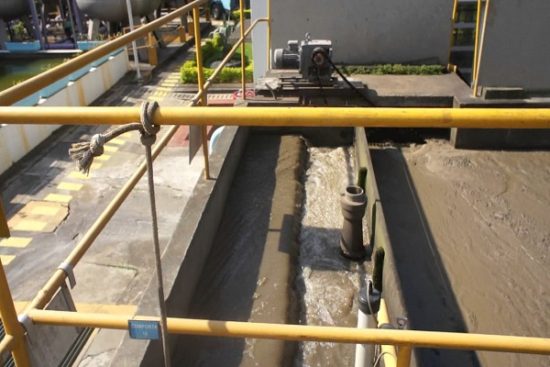
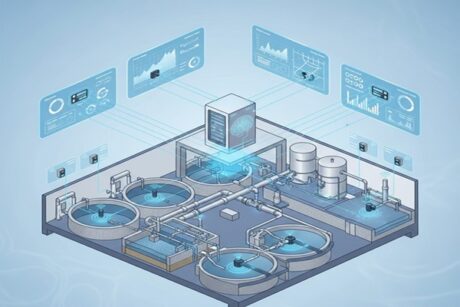
This course provides an introduction to activated sludge wastewater treatment plants. In a conventional (plug-flow) activated sludge plant, the primary-treated wastewater and acclimated micro-organisms (activated sludge or biomass) are aerated in a basin or tank. After a sufficient aeration period, the flocculent activated sludge solids are separated from the wastewater in a secondary clarifier. The clarified wastewater flows forward for further treatment or discharge. A portion of the clarifier underflow sludge is returned to the aeration basin for mixing with the primary- treated influent to the basin and the remaining sludge is wasted to the sludge handling portion of the treatment plant. Course Outline 1. INTRODUCTION 2. ACTIVATED SLUDGE PROCESSES 3. CLOSED-LOOP REACTOR DESIGN CRITERIA 4. EXAMPLE CALCULATIONS 5. REFERENCES 6. BIBLIOGRAPHY This course will give you technical guidance you can apply when designing wastewater treatment plants using the activated sludge processes.
Learning Objectives
At the successful conclusion of this course, you’ll be able to identify and discuss:- Learn about the conventional activated sludge process;
- Learn about the step aeration process;
- Learn about the contact stabilization activated sludge process;
- Learn fundamentals of the completely-mixed process;
- Learn about extended aeration activated sludge plants.;
- Learn about the closed-loop reactor or oxidation ditch form of the extended aeration process.; and
- Learn the closed-loop reactor design criteria.
ACCEPTANCE GUARANTEE
Ncite Engineering Hub engineering courses & live webinars meet NCEES Guidelines for Professional Engineer licenses renewal in all 50 states.

Live Webinars satisfy strict “Live Contact Hour” state mandates.
100% money-back State Board Acceptance Guarantee
Ncite Engineering Hub will refund your payment if the PDH credits you earn are rejected by your state board for any reason.

Ethics Courses

E – 1861 Indiana Statutes and Rules for Professional Engineers 2020-2022 Bienniumby Mark P. Rossow, PhD, P.E.

E – 3026 PE Exam Preparation. Familiarization & Policiesby Ahmed Paridie, PE, MSc

E – 2007 Engineering Ethics—Case Studies in Stealing Trade Secretsby Mark P. Rossow, PhD, P.E.

E – 1950 Engineering Ethics: The Citicorp Tower Wind Retrofit-An Excellent Example of Ethical Conduct of Structural Engineersby Dr. Abolhassan Astaneh-Asl, Professor Emeritus. Ph.D., PE
Once completed, your order and certificate of completion will be available in your profile when you’re logged in to the site.