Description
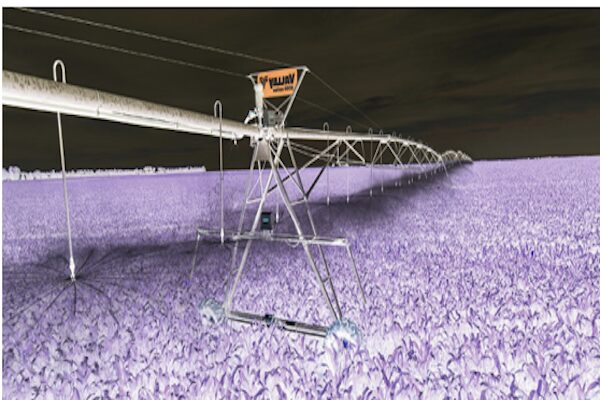
As the name implies, overland flow is a process where wastewater flows over land that is carefully graded to encourage sheet flow. Grass is planted on the land to take up nutrients and control erosion. As the wastewater flows over the soil surface it is renovated by various physical, chemical and biological mechanisms. Also, some of the wastewater is lost through evapotranspiration by the grass and by percolation into the soil. The remaining wastewater is collected at the toe of the slope and is usually discharged to a receiving stream. As a result, most overland flow systems must comply with a point source discharge permit.


 TP - 1113 An Introduction to Fuel Gas Distribution for Professional Engineers
1 × $4.99
TP - 1113 An Introduction to Fuel Gas Distribution for Professional Engineers
1 × $4.99  TP - 1113 An Introduction to Fuel Gas Distribution for Professional Engineers
 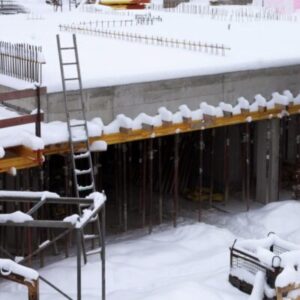 TP - 1103 An Introduction to Building Design for Cold Regions for Professional Engineers