

E – 1521 Making Fuels from Algae
$175.00
Courses Included
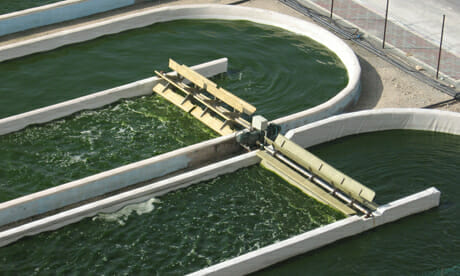
In recent years, biomass-derived fuels have received increasing attention as one solution to the nation’s dependence on imported oil for transportation fuel. In particular, biofuels derived from algae have many attractive characteristics: 1) high per-acre productivity, 2) non-food based feedstock resources, 3) use of otherwise non-productive, non-arable land, 4) utilization of a wide variety of water sources (fresh, brackish, saline, marine, produced, and wastewater), 5) production of both biofuels and valuable co-products, and 6) potential recycling of carbon dioxide and other nutrient waste streams. This course explores the potential and the problems of algal biofuel production in detail. Beginning with a description of the biology of the diverse group of organisms called “algae” (Seaweed is a type of algae.), the course proceeds to describe issues related to cultivation: affordability, scalability, and sustainability. Next, harvesting and dewatering processes are discussed. The course ends with a presentation of the challenges of converting processed algal biomass to fuels and co-products such as animal feed, fertilizers, industrial enzymes and bioplastics.
This course is based on Chapters 1-9 of the U.S. Department of Energy document, “National Algal Biofuels Technology Roadmap,” May, 2010.
Description
In recent years, biomass-derived fuels have received increasing attention as one solution to the nation’s dependence on imported oil for transportation fuel. In particular, biofuels derived from algae have many attractive characteristics: 1) high per-acre productivity, 2) non-food based feedstock resources, 3) use of otherwise non-productive, non-arable land, 4) utilization of a wide variety of water sources (fresh, brackish, saline, marine, produced, and wastewater), 5) production of both biofuels and valuable co-products, and 6) potential recycling of carbon dioxide and other nutrient waste streams. This course explores the potential and the problems of algal biofuel production in detail. Beginning with a description of the biology of the diverse group of organisms called “algae” (Seaweed is a type of algae.), the course proceeds to describe issues related to cultivation: affordability, scalability, and sustainability. Next, harvesting and dewatering processes are discussed. The course ends with a presentation of the challenges of converting processed algal biomass to fuels and co-products such as animal feed, fertilizers, industrial enzymes and bioplastics.
This course is based on Chapters 1-9 of the U.S. Department of Energy document, “National Algal Biofuels Technology Roadmap,” May, 2010.
- Algal biology
- Algal cultivation
- Downstream processing: harvesting and dewatering
- Current practices for lipid extraction from algae
- Algal biofuel conversion technologies
- Distribution and utilization
- Resource requirements for different cultivation approaches
- Large demands for water for cultivation
- Recycling and disposal of water used in cultivation
- Location of algal cultivation facilities near carbon-dioxide emitting industries
- Commercial co-products from algae
- Transportation and storage issues of raw biomass and fuel intermediates
- Meeting fuel regulatory requirements and gaining customer acceptance