-
×
 E - 1131 Hazardous Waste Identification
4 × $50.00
-
×
E - 1105 Flow Measurement in Pipes and Ducts
1 × $100.00
-
×
 E - 1113 Manning Equation - Open Channel Flow using Excel
2 × $100.00
-
×
E - 1116 Pumping System Performance Improvement
1 × $125.00
-
×
E - 1108 Heat Transfer Review for Engineers
1 × $75.00
-
×
E - 1115 Sharp-Crested Weirs for Open Channel Flow Measurement
2 × $75.00
-
×
E - 1104 Domestic Wastewater Treatment Overview
1 × $75.00
-
×
E - 1112 Package Plants for Wastewater Treatment
1 × $50.00
-
×
E - 1109 Design of Small Water Systems
1 × $150.00
-
×
E 1102 Valve Fundamentals
2 × $100.00
-
×
 E - 1525 Biodiesels- Handling and Use Guide
1 × $100.00
-
×
E - 1110 Ponds – Planning, Design, and Construction
1 × $150.00
-
×
E - 1106 Fundamentals of Heat Exchangers
1 × $50.00
-
×
E - 1117 Introduction to Biofuels
1 × $75.00
-
×
E - 1114 Hydraulic Jumps and Supercritical & Non-uniform Flow
1 × $75.00
-
×
E - 1133 Energy Conservation in Industrial and Commercial Environment
1 × $200.00
-
×
E - 1125 Centrifugal and Positive Displacement Pump Basics
1 × $75.00
-
×
E - 1124 Fuel Cells–Green Power
1 × $75.00
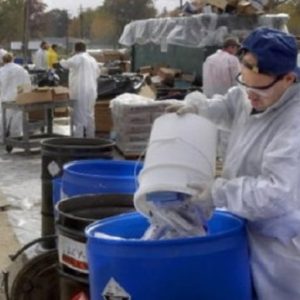 E - 1131 Hazardous Waste Identification
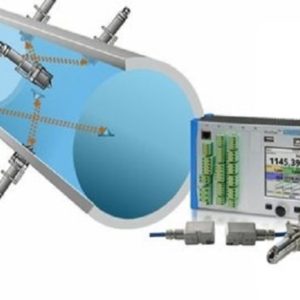 E - 1105 Flow Measurement in Pipes and Ducts
 E - 1113 Manning Equation - Open Channel Flow using Excel
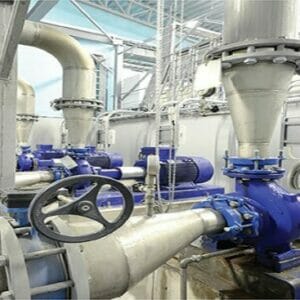 E - 1116 Pumping System Performance Improvement
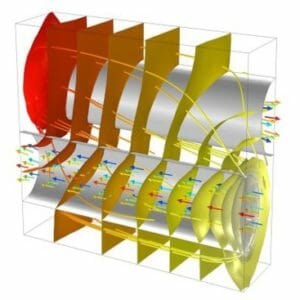 E - 1108 Heat Transfer Review for Engineers
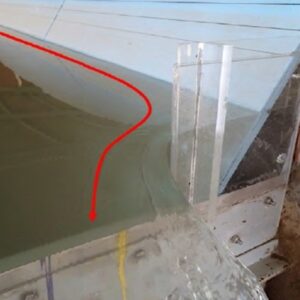 E - 1115 Sharp-Crested Weirs for Open Channel Flow Measurement
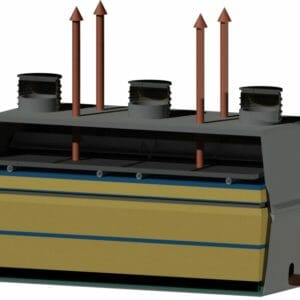 E - 1104 Domestic Wastewater Treatment Overview
 E - 1112 Package Plants for Wastewater Treatment
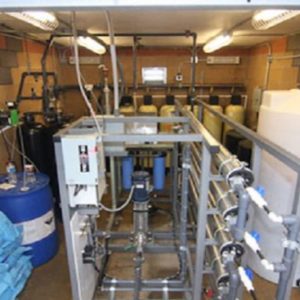 E - 1109 Design of Small Water Systems
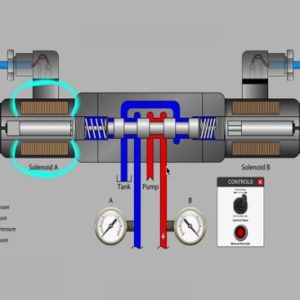 E 1102 Valve Fundamentals
 E - 1525 Biodiesels- Handling and Use Guide
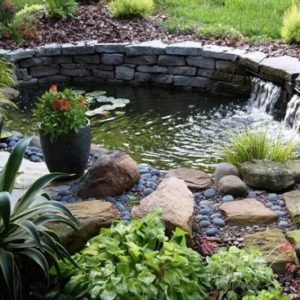 E - 1110 Ponds – Planning, Design, and Construction
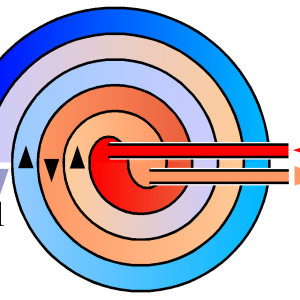 E - 1106 Fundamentals of Heat Exchangers
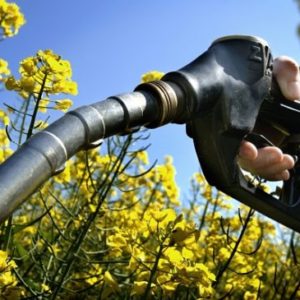 E - 1117 Introduction to Biofuels
 E - 1114 Hydraulic Jumps and Supercritical & Non-uniform Flow
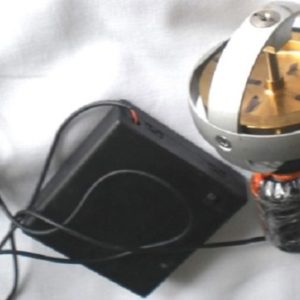 E - 1133 Energy Conservation in Industrial and Commercial Environment
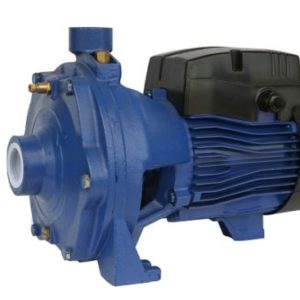 E - 1125 Centrifugal and Positive Displacement Pump Basics
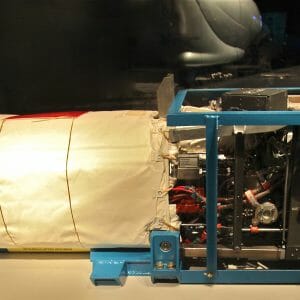 E - 1124 Fuel Cells–Green Power
Subtotal: $2,125.00