



• No products in the cart.

Profile Photo

No data found for Custom Course Number

No data found for Custom Course Units

$25.00
$25.00

Intended Audience: Structure, Construction, and Environmental, Engineers

PDH UNITS: 1

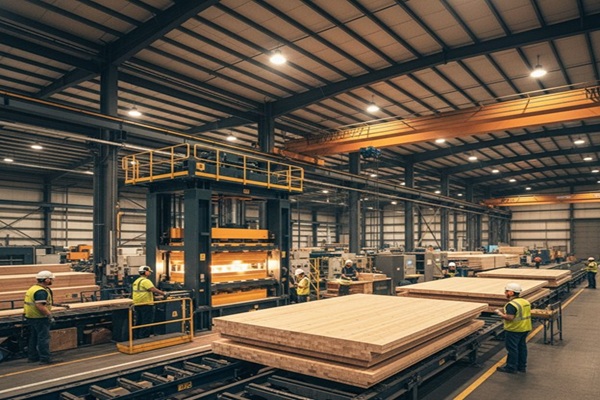
Mass timber construction represents one of the most significant innovations in sustainable building technology, offering architects and engineers a renewable structural material that actively sequesters carbon while providing exceptional strength, aesthetic appeal, and design flexibility. This comprehensive course introduces building professionals to the fundamental principles of mass timber design with a specific focus on carbon reduction strategies and environmental benefits.

According to the World Green Building Council, buildings account for approximately 39 percent of global energy-related carbon emissions, with embodied carbon from construction materials representing roughly 11 percent of total global emissions. Mass timber offers a dual climate benefit through carbon sequestration in the wood fiber itself and displacement of carbon-intensive materials like concrete and steel. Research from the Yale School of the Environment indicates that each cubic meter of wood used in construction stores approximately 0.9 metric tons of carbon dioxide equivalent, while also avoiding emissions associated with alternative materials.

This course examines the evolution of mass timber technology from European origins in the 1990s to mainstream adoption in North America, covering cross-laminated timber (CLT), glued laminated timber (glulam), nail-laminated timber (NLT), and dowel-laminated timber (DLT). Participants will learn about the 2021 International Building Code provisions enabling tall mass timber buildings up to 18 stories, carbon accounting methodologies including life cycle assessment, and structural design principles specific to engineered wood products. The course also addresses fire resistance mechanisms through predictable charring behavior, connection design considerations, and practical implementation strategies including supply chain planning and construction best practices.

Learning Objectives:

At the successful conclusion of this course, you will learn the following knowledge and skills:
  • Describe the evolution of mass timber construction from traditional timber framing to modern engineered wood products including CLT, glulam, NLT, and DLT, and explain the manufacturing processes that create predictable engineering properties
  • Explain the carbon cycle in wood products including photosynthesis, carbon sequestration, storage duration, and end-of-life scenarios, and quantify carbon storage benefits per cubic meter of wood construction
  • Compare embodied carbon profiles of mass timber buildings versus steel and concrete alternatives, applying research findings from the Carbon Leadership Forum and other organizations to project-specific assessments
  • Apply life cycle assessment (LCA) methodologies including ISO 14040/14044 and EN 15978 standards to evaluate mass timber environmental impacts across manufacturing, construction, use, and end-of-life stages
  • Identify the 2021 International Building Code construction types for tall mass timber (Type IV-A, IV-B, IV-C), their height limits, and associated fire resistance and protection requirements
  • Explain mass timber structural properties including anisotropic behavior, rolling shear, and design values per NDS-2024, and describe how CLT panel layup affects bidirectional strength characteristics
  • Describe connection design principles for mass timber including concealed steel plates, self-tapping screws, and proprietary systems, addressing load transfer, moisture accommodation, and fire resistance requirements
  • Explain the fire resistance mechanism of mass timber through predictable charring behavior, calculate sacrificial char depths for fire resistance ratings, and detail fire-protective design approaches
  • Develop project planning approaches for mass timber including supply chain lead times, manufacturer collaboration, moisture management during construction, and MEP coordination with prefabricated components
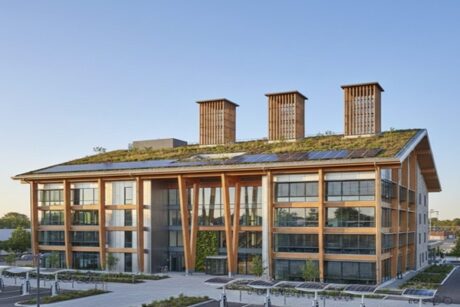
  • Evaluate completed mass timber projects including Ascent tower and T3 office building to understand achieved carbon reductions, construction schedule benefits, and lessons learned for future implementations

Course No E - 3137
PDH Units: 1
Copyright 2025 · All Rights Reserved. Ncite Engineering Hub, LLC 513 E- Main Street # 981 Charlottesville, VA 22902 USA