

Ncite Engineering Hub engineering courses & live webinars meet NCEES Guidelines for Professional Engineer licenses renewal in all 50 states.
$150.00
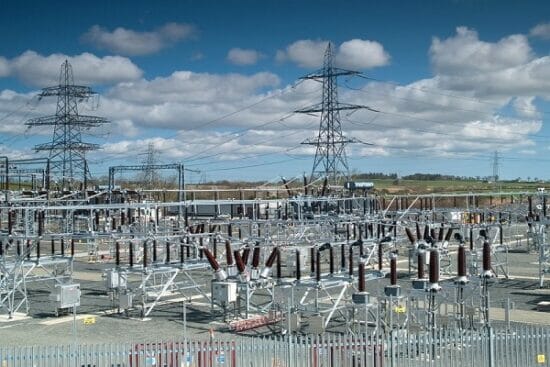
A substation is a part of an electrical generation, transmission, and distribution system. Substations transform voltage from high to low, or the reverse, or perform any of several other important functions. Between the generating station and consumer, electric power may flow through several substations at different voltage levels.
Substations may be owned and operated by an electrical utility, or may be owned by a large industrial or commercial customer. Generally substations are unattended, relying on SCADA for remote supervision and control.
This course provides an overview of substation design, equipment, functionality and applications. The course is applicable to engineers of all disciplines.
In Transmission/Distribution Substations 101: Intro, Design, Equipment, Functionality & Applications, you’ll learn …