



No data found for Custom Course Number
No data found for Custom Course Units
Intended Audience: Civil & Construction Engineers
PDH UNITS: 2
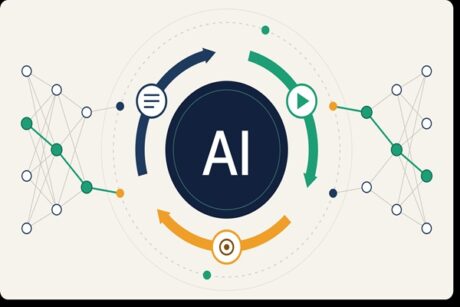
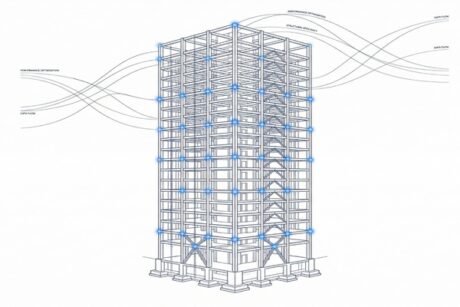
Building maintenance has undergone a fundamental transformation from reactive approaches to sophisticated predictive strategies powered by machine learning. This evolution reflects broader technological advances while responding to the growing complexity of modern building systems and the economic imperative to optimize operational efficiency. This comprehensive course introduces building professionals to the technical foundations, practical applications, and implementation strategies for machine learning-based predictive maintenance programs.
By completing this course, you will gain practical insights into how machine learning algorithms analyze operational data from building automation systems and IoT sensors to predict equipment failures before they occur. Research indicates that well-implemented predictive maintenance programs can reduce maintenance costs by 25 to 30 percent, decrease equipment downtime by 35 to 45 percent, and extend equipment service life by 20 to 40 percent compared to traditional preventive maintenance approaches. These improvements translate directly to operational savings and enhanced building performance.
This course bridges the gap between data science concepts and practical building applications, examining machine learning fundamentals, data collection strategies, sensor systems, and specific applications for HVAC, electrical, elevator, and plumbing systems. Industry studies demonstrate that emergency repairs can cost two to five times more than planned maintenance, underscoring the value of predictive capabilities. Whether you are a facility manager, building engineer, energy manager, or design professional, this course will equip you with the knowledge needed to evaluate, implement, and optimize machine learning-based predictive maintenance programs.
Learning Objectives:
At the successful conclusion of this course, you will learn the following knowledge and skills:- Explain the evolution of building maintenance strategies from reactive through preventive and condition-based to machine learning-based predictive maintenance, and describe the relative advantages and limitations of each approach.
- Describe the fundamental machine learning concepts applicable to building predictive maintenance, including supervised and unsupervised learning, neural networks, time series analysis, and anomaly detection techniques.
- Identify data sources for predictive maintenance including building automation systems and IoT sensors, and explain data quality requirements, preprocessing techniques, and feature engineering approaches.
- Apply machine learning-based predictive maintenance concepts to HVAC systems including chillers, air handling units, and variable frequency drives, identifying relevant sensor data and failure modes.
- Describe electrical system fault prediction techniques including transformer monitoring, power quality analysis, and thermal monitoring for switchgear and distribution equipment.
- Explain predictive maintenance applications for elevator and vertical transportation systems, including door system monitoring, traction system analysis, and ride quality assessment.
- Develop implementation roadmaps for predictive maintenance programs, including pilot project selection, phased deployment strategies, and integration with computerized maintenance management systems.
- Describe how Building Information Modeling integration and digital twin implementations enhance predictive maintenance capabilities through spatial visualization and dynamic modeling.
- Explain edge computing architectures and their advantages for building predictive maintenance, including reduced latency, decreased bandwidth requirements, and operation during network outages.
- Identify emerging technologies including federated learning, large language models, and autonomous maintenance operations, and evaluate their potential impact on future building maintenance practices.
Once completed, your order and certificate of completion will be available in your profile when you’re logged in to the site.


E - 1105 Flow Measurement in Pipes and Ducts